Helical piles, also known as screw piles, have a rich history that dates back to the early 19th century. Their development has been driven by the need for strong, reliable foundations in a variety of challenging environments. Today, they are a preferred choice for many construction projects, including those that require deep foundations in areas with poor soil conditions or high water tables. The evolution of helical piles showcases the ingenuity and adaptability of engineering over the years, especially in the field of foundation solutions.
Early Beginnings: The Birth of Helical Piles
The concept of helical piles originated in the early 1800s, with the invention attributed to the Irish civil engineer Alexander Mitchell in 1833. Initially designed for the construction of lighthouses and other marine structures, these piles were revolutionary because they could be screwed into the ground rather than driven. This method minimized the disturbance to the surrounding soil and provided a more secure foundation in areas where traditional piles might not have been effective.
The early use of helical piles was predominantly in coastal and marine applications. Their ability to provide stability in soft, waterlogged soils made them an ideal choice for structures like lighthouses, piers, and bridges. Mitchell’s invention was quickly adopted across Europe and North America, where it became a standard method for constructing foundations in challenging environments.
Advancements in Design and Application
As the popularity of helical piles grew, so did the need for advancements in their design and application. The original cast-iron piles were eventually replaced with more durable materials such as steel, which allowed for longer and stronger piles. The introduction of these improvements enabled helical piles to be used in a wider range of applications, from civil engineering projects to residential construction.
One of the significant developments in the history of helical piles was the introduction of the multi-helix design. This innovation allowed for greater load-bearing capacity and made it possible to use helical piles in deeper and more demanding soil conditions. The ability to customize the number and size of helices on the shaft provided engineers with more flexibility in designing foundations that met specific project requirements.
Modern-Day Use: The Rise of BC Helical Piles
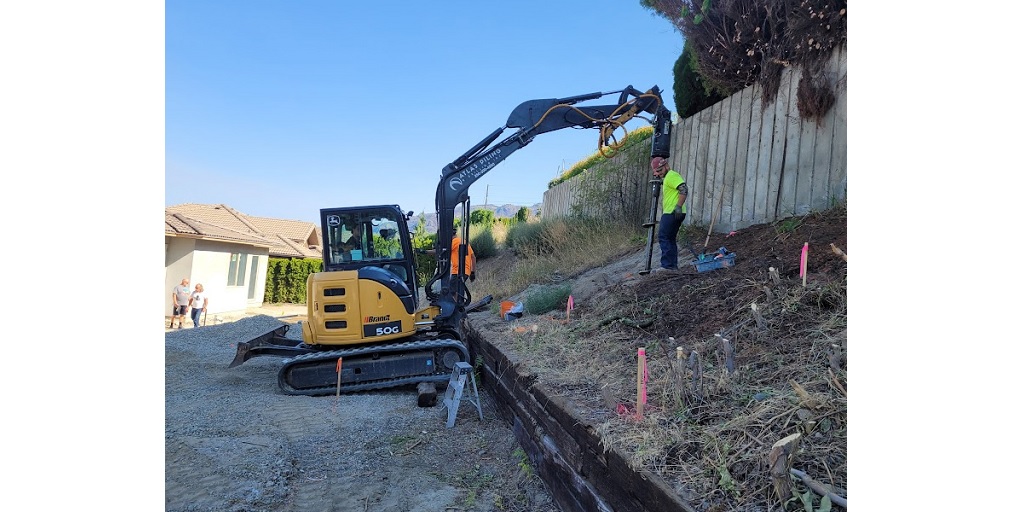
Today, helical piles are a go-to solution for foundation support in various industries. Their use has expanded beyond marine and coastal projects to include everything from residential homes to large commercial buildings. In regions like British Columbia, the application of BC helical piles has become increasingly popular due to the unique geological challenges posed by the area.
BC helical piles are particularly favored for their ability to be installed quickly and with minimal disruption to the surrounding environment. This makes them an ideal choice for projects where traditional deep foundation methods might be impractical or too invasive. The adaptability of helical piles also means they can be used in a variety of soil conditions, from sandy coasts to rocky terrains, further increasing their appeal in regions with diverse landscapes.
The Future of Helical Piles
As construction technology continues to advance, the future of helical piles looks promising. Ongoing research and development are likely to lead to even more efficient designs and installation methods, further solidifying their place in the world of construction. BC helical piles, in particular, are expected to see continued growth as the demand for sustainable and environmentally friendly foundation solutions increases.
The evolution of helical piles from their inception in the 19th century to their modern-day applications is a testament to the enduring value of this innovative foundation technology. With their proven reliability and versatility, BC helical piles are poised to remain a critical component of construction projects for years to come.