
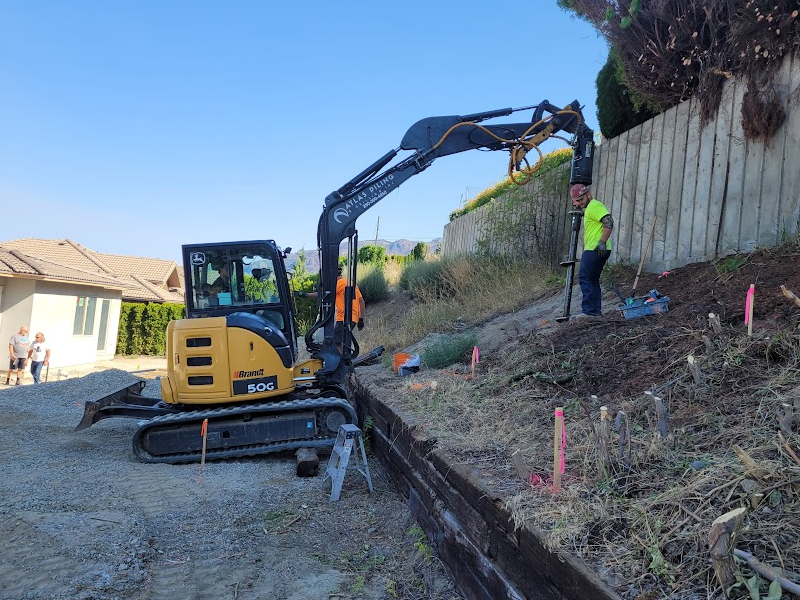
When you’re planning a construction project, securing city approval is one of the first—and often most confusing—steps. If you’re using BC helical piles for your foundation, you might wonder how these innovative solutions affect your permit process. While helical piles are known for speeding up construction timelines and offering strong, stable support, their use does trigger specific questions from city officials, engineers, and inspectors.
Here’s what you need to know to avoid permit delays and confidently move forward with your build.
1. Building Departments Are Warming Up to Helical Piles—but They Need Documentation
Many municipalities are increasingly familiar with BC helical piles, especially as more engineers and contractors advocate for their use. However, acceptance doesn’t mean a rubber stamp. Building officials typically want technical documentation that proves compliance with local and national building codes. This includes:
- Load-bearing capacity reports
- Engineer-approved design plans
- Manufacturer data sheets
- Installation procedures
The more complete your paperwork, the faster your permit review process will go.
2. Engineers Play a Key Role in Getting the Green Light
In most cities, you’ll need a structural engineer to approve the use of BC helical piles in your project. An engineer’s stamp not only validates the design but also reassures the city that your foundation system is safe and suitable for your specific soil and load conditions.
Don’t wait until the last minute to bring in an engineer. Their early involvement helps ensure that your application is thorough, reducing the chances of permit rejection or revision requests.
3. Soil Conditions May Require a Geotechnical Report
Some cities require a geotechnical investigation before approving a foundation system like BC helical piles. This is especially common in areas with known soil variability, slopes, or a history of foundation failure.
A geotechnical report helps demonstrate that helical piles are not only effective but actually preferred for the site due to poor soil bearing capacity or the presence of groundwater. In fact, when soil issues are flagged early, helical piles can often simplify approval compared to more invasive deep foundation systems.
4. Inspectors Will Be Looking at the Installation—Closely
Once your permit is approved, your job isn’t done. City inspectors will want to verify that BC helical piles are installed properly. This usually involves:
- Monitoring torque readings during installation
- Verifying pile depth
- Checking that installation matches approved plans
To stay on schedule, work with certified installers who can document and communicate everything to the inspector in real time. Being proactive can save days—or even weeks—during your build.
5. Retrofitting? Permits May Still Be Required
If you’re adding an extension, replacing a failed foundation, or repairing structural issues, you may still need a permit—even if the project seems minor. Cities often require permits for structural changes, and since BC helical piles are part of your load-bearing system, they’re subject to review.
The good news? Retrofitting with helical piles is often viewed positively by building officials, especially when the system replaces outdated or unstable supports. Just don’t assume your project flies under the radar. Always check with your local permit office first.
More cities are seeing the value of BC helical piles for both residential and commercial applications. They offer quick installation, minimal environmental disruption, and proven structural integrity. But even with these benefits, the permitting process requires proactive planning.
For more information about Industrial Drilling British Columbia and Drilling Company Kelowna Please visit: ATLAS PILING.