Helical piles are foundation systems that help support structures in different soil conditions. They have spiral plates that allow them to be screwed into the ground, providing stability and strength. These piles are easy to install with little disruption to the surrounding area, making them great for both new buildings and foundation repairs.
Whether you’re working on a house or a commercial building, it’s important to understand the basics of helical piles and where to find them locally. This guide will explain what helical piles are, their benefits, and how to find reliable suppliers near you.
Installation of Helical Piles
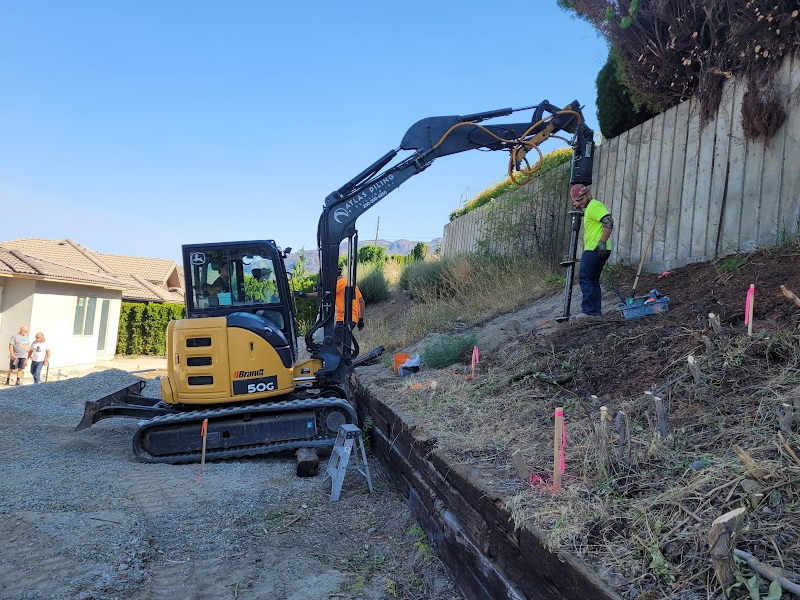
Installing helical piles involves screwing them into the ground using hydraulic machinery, ensuring they penetrate deep enough to provide sufficient support. This method eliminates the need for extensive excavation, reducing project timelines and minimizing environmental impact. Professional installers assess soil conditions and project requirements to determine the optimal pile design and placement.
Requirements for Helical Piles
The suitability of helical piles depends on factors such as soil type, load requirements, and project specifications. Engineers and contractors conduct site assessments to determine the appropriate pile diameter, depth, and spacing needed to support the intended structure. Understanding these requirements ensures the effective implementation of helical piles as a reliable foundation solution.
Cost Considerations
The cost of helical piles varies based on factors such as project size, soil conditions, and local market rates. While initial costs may be higher compared to traditional foundations, helical piles offer long-term savings through reduced installation time, minimal site disruption, and lower maintenance requirements. Obtaining quotes from multiple suppliers and comparing their offerings can help optimize cost-effectiveness for your project.
Applications of Helical Piles
Helical piles find applications across diverse construction projects, including residential homes, commercial buildings, industrial facilities, and infrastructure development. They are particularly advantageous in areas with unstable soil conditions or limited access, where traditional foundation methods may prove challenging or impractical. The versatility of helical piles supports various structural loads, making them a preferred choice for both new construction and foundation repair projects.
Finding Helical Piles Near Me
When selecting helical piles for your project, sourcing them locally ensures convenience and often reduces costs associated with transportation. Many reputable suppliers offer a range of helical pile options tailored to specific project requirements. Conducting a search for “helical piles near me” on popular search engines can yield a list of providers in your vicinity. It’s essential to evaluate each supplier based on their experience, track record, and ability to meet your project’s unique needs.
Choosing the Right Supplier
Selecting the right supplier involves assessing their expertise and reliability in the field of helical pile installation. Look for providers with extensive experience and a portfolio of successful projects similar to yours. Customer reviews and testimonials can provide valuable insights into the quality of service and satisfaction levels among past clients. Additionally, reputable suppliers often offer consultations to discuss project specifics and recommend tailored solutions.
Understanding the benefits and logistics of helical piles can significantly streamline your construction or renovation project. By choosing local suppliers specializing in helical pile installation, you ensure efficient delivery, reduced costs, and optimal project outcomes. Whether you’re building a new home, renovating a commercial space, or addressing foundation issues, helical piles offer a reliable solution backed by proven performance.
For more information about Underpinning Services Bc and Commercial Drilling Service Bc please visit:-ATLAS PILING