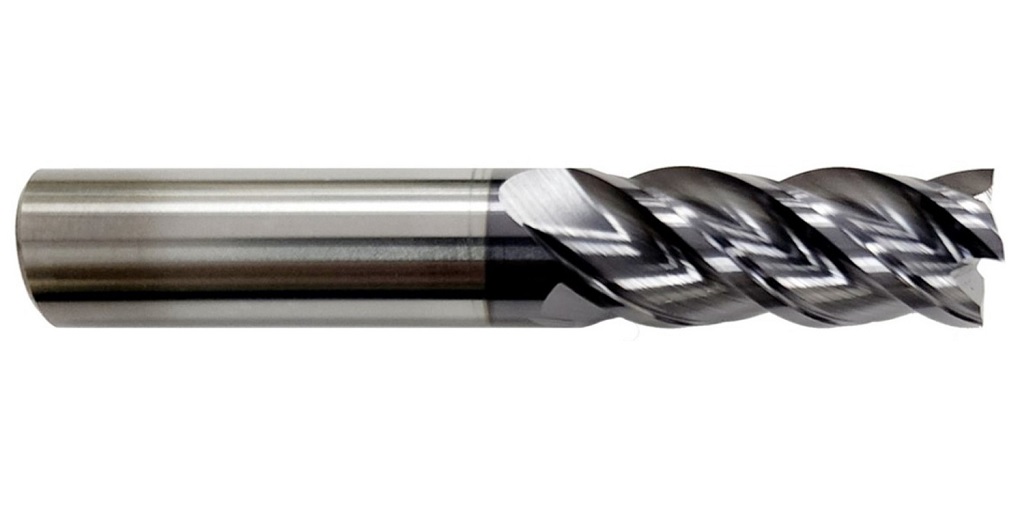
Modern machining has enabled the creation of modern wonders, and often it is because of the precision and accuracy that tool making materials have made possible. The best tool materials are known for their strength and durability in extreme conditions, which make the tools constructed from them valuable assets in a machinist’s arsenal.
Of these materials, one of the best options is carbide. Carbide cutting tools are known for their exceptional hardness and resistance to regular wear and tear. But what makes carbide so special for machining?
The Composition of Carbide
Carbide, on a chemical level, is made from the combination of carbon and a metal to make a ceramic material. Tool carbide is often prepared in several ways, but the basic idea is to combine powdered carbide with a binding metal, almost like adding aggregate to cement to make concrete.
This gives carbide an advantage over other steel alloys, as it is stronger and more durable in the face of heat. These qualities make it the preferred choice for precision cutting tools, as it can withstand extremely high machining speeds. However, tools made from carbide can be more expensive than steel alloys.
The Advantage of Carbide Cutters
Carbide cutting tools made out of tungsten carbide and a metallic binder make them durable for every machining process, whether it’s drilling, turning, milling or reaming. These applications could affect the tools in different ways, but carbide gives them the strength to endure all of these different machining processes while the binding material offers the needed flexibility.
Milling
Milling is the process that removes material to create a smooth and accurate finish. Carbide milling tools make it possible for the machinist to mill nearly any material with accuracy, ensuring that edges and surfaces meet the standards for the material requirements.
Drilling
This process is for creating holes in different kinds of materials. Often the process requires high speed and temperatures, and a carbide drill can endure these extreme conditions and applications.
Turning
This process involves rotating a material as the carbide cutting tool removes anything excessive from the surface. The tools must withstand extreme speeds and temperatures, as doing so is the only way to turn materials in high volume environments.
Reaming
When there is a need to enlarge or finish holes that have been cut or drilled, a reaming tool can make the process more efficient and accurate, especially in tight tolerances. A carbide reamer can be used on steel, aluminum, and composites.
Carbide is for Precision Machining
There are other materials used for high precision tools that can achieve similar precision and cutting accuracy, but they can be limited in terms of the workpieces they can be used on, or the cost-effectiveness of the tools.
Precision machining requires tools that provide accuracy , high productivity, and cost-effectiveness for the manufacturer, and using carbide tools make it easier for machinists to achieve that. And in the industries that make them a prerequisite for safety, such as aviation, aerospace, and automotive, the best cutting tools are made of carbide.