Medical professionals are on the same page: air quality is paramount in the hospital system. Hospitals have a constant battle to fight: keeping their breathing air systems contaminant-free and up to par, all while fending off unwanted visitors like dust, dirt, and hazardous gases.
As hospitals work to provide the best possible care, one critical factor often flies under the radar: breathing air systems. Without pristine air, even the most advanced medical treatments can be compromised.
We’ll dissect the crucial components of a top-performing system and reveal how to achieve it. Breathe easy knowing your patients and staff are protected with a first-rate breathing air system that’s fully dependable. Here’s the leading choice.
Essential Applications in Hospitals
Hospitals use breathing air systems for several crucial processes. Respiratory therapy is one primary use, where patients receive the air they need through different types of respirators, including half-face respirators and, in severe cases, iron lungs.
Hyperbaric oxygen therapy uses intense oxygen pressure to counterattack life-threatening conditions, including the double threat of carbon monoxide poisoning and severe infections. Without clean air, patients in neonatal care and those relying on life support systems would be in grave danger – which is why these systems are pivotal in the hospital system.
Importance of Purified Air
The importance of purified air in medical settings cannot be overstated. Contaminants like dust, dirt, water, oil, hydrocarbon vapor, and dangerous levels of carbon monoxide can pose serious risks if they infiltrate breathing air systems. These impurities can lead to respiratory complications, infections, and even critical system failures in life support and respiratory therapy equipment.
Adherence to NFPA 99 Specifications
To maintain the highest standards of safety and reliability, hospitals follow the 2005 NFPA 99 Specification. This set of guidelines from the National Fire Protection Association outlines rigorous standards for equipment specifications, alarm systems, and backup systems.
The goal is to ensure that breathing air systems operate without fail, providing clean, reliable air to patients around the clock. Compliance with these specifications is non-negotiable, as the stakes—patient lives—are incredibly high.
Consequences of Contaminated Air
When contaminants such as dust, dirt, water, oil, and hydrocarbon vapor infiltrate hospital air systems, the consequences can be severe. Dangerous levels of carbon monoxide, in particular, can lead to life-threatening conditions if not adequately filtered out. Hospital departments must remain vigilant, continuously monitoring and maintaining their breathing air systems to prevent these hazards.
Air & Vacuum Process Solutions
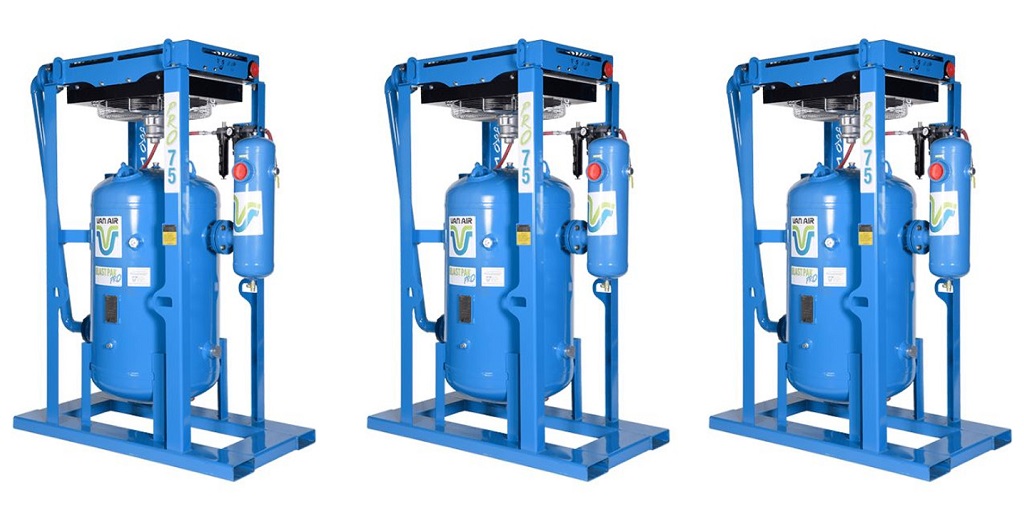
For those in the medical field seeking reliable and efficient breathing air systems, Air & Vacuum Process offers an excellent solution. The Aircel BHD Series, with capacities ranging from 50 to 600 scfm, is a fully automatic breathing air system that utilizes a unique dual tower regeneration process. This system ensures continuous delivery of clean, breathable air, meeting the stringent requirements of medical facilities.
To keep hospital operations running safely and efficiently, investing in a premium breathing air system like the Aircel BHD Series is a no-brainer. When it comes to safeguarding lives, healthcare providers can’t afford to take any chances – they require foolproof systems that eliminate the danger of contaminated air.
Why Quality Breathing Air Systems Matter
Ensuring that breathing air systems are up to standard is about more than just compliance—it’s about safeguarding lives. Hospitals must prioritize regular maintenance and monitoring of these systems to prevent any potential risks. Investing in advanced systems like those offered by Air & Vacuum Process can provide peace of mind and ensure that hospitals are well-equipped to handle their patients’ needs.
For more information on reliable breathing air systems and to explore the Aircel BHD Series, medical professionals are encouraged to check out the Air & Vacuum Process online. Investing in quality systems is a step towards enhancing patient care and ensuring a safer hospital environment.