Drain flies are tiny and fuzzy, which can make them seem relatively harmless. However, they’re also surprisingly stubborn, and they’re unsightly. If you keep seeing them hovering near sinks or showers, it’s not bad luck – it’s usually due to cleanliness habits.
These insects thrive in moist, organic environments, and many everyday routines accidentally roll out the welcome mat. Here are some of the most common household habits that attract drain flies and why breaking them matters:
1) Leaving Organic Buildup in Drains
One of the biggest reasons drain flies move in is the slow buildup of organic gunk inside pipes. Soap residue, grease, food particles, and hair cling to drain walls and create a slimy layer called biofilm. Drain flies don’t just hang around this stuff: they lay eggs in it.
When drains aren’t regularly cleaned, that biofilm becomes a buffet and a nursery for drain flies all rolled into one. Even if water flows fine, the buildup below the surface can still support a growing fly population.
2) Ignoring Slow or Clogged Drains
A slow drain isn’t just a minor annoyance. It’s a warning sign. A slow drain often is one that is clogged with junk, and flies love it. They feed on it and lay eggs on it. When clogs are ignored, moisture lingers longer than it should, allowing organic debris to decompose. That very decomposition releases odors and nutrients that then attracts the flies.
Over time, what started as a small drainage issue turns into a full-scale infestation just hiding out of sight.
3) Letting Moisture Linger in Bathrooms
Bathrooms are prime real estate for drain flies because they’re often wet, which causes moisture to hang around. Long hot showers, poor ventilation, and damp surfaces create humid conditions that flies thrive in.
Drain flies don’t need much water, just consistent dampness. Unfortunately, there is no way to “dry” your drain: the P-trap that keeps odors from wafting back up through the drain always stays full of water. Instead, you’ll want to keep an eye out for leaks. A leaking sink will allow dirty food-filled water to accumulate in your house, and the flies will end up feeding on this. The same goes for a leaky toilet. Sewage can accumulate in a home’s crawlspace and become a breeding ground for flies.
4) Skipping Regular Deep Cleaning
Surface-level cleaning can make a room look nice, but drain flies don’t care about your shiny countertops. What they do care about is what’s happening inside your drains and under your fixtures. When you skip deep cleaning, hidden grime can build up in overflow holes, garbage disposals, and rarely used drains.
These overlooked areas often stay dark and moist, making them perfect environments for flies to settle in.
5) Leaving Unused Drains Dry or Neglected
Leaving drains dry or neglected is an issue because the water inside the P-trap evaporates. The water inside a P-trap is important for deterring drain flies because they can’t swim; when it evaporates, the way is clear for drain flies to fly up and get into your home.
To prevent this from happening, just run the water in your laundry room, guest bathroom, or basement for a few minutes to fill the P-trap back up and block drain flies from getting in.
EcoStrong’s Drain Fly Treatment Is the Solution to Your Drain Fly Woes
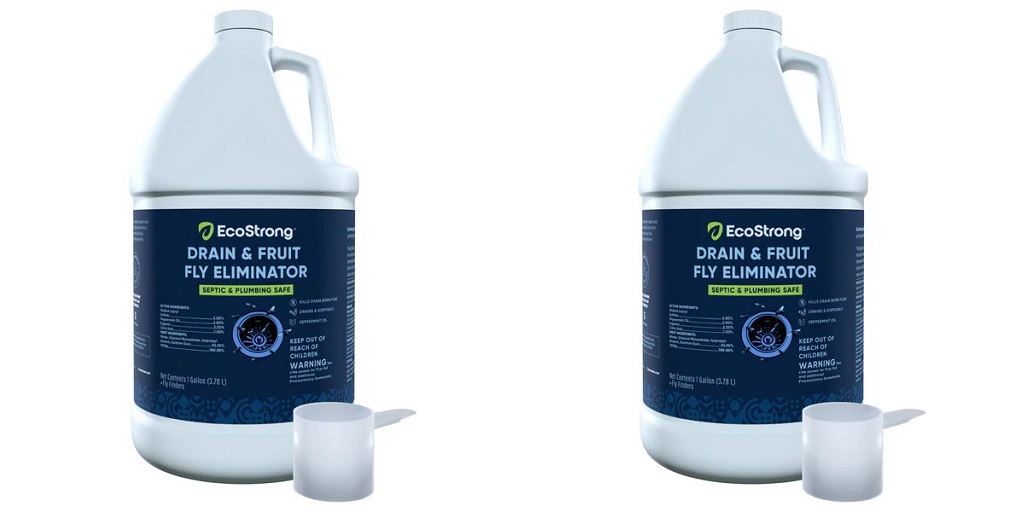
Looking for a drain fly treatment that just works? Try EcoStrong’s Drain and Fruit Fly Eliminator! It’s an essential oil-based gel formula that eliminates all drain-born flies. Simply pour it into the drains where flies congregate and it will remove the biofilm or scum that flies feed on and lay eggs in. Order today by visiting the EcoStrong website.