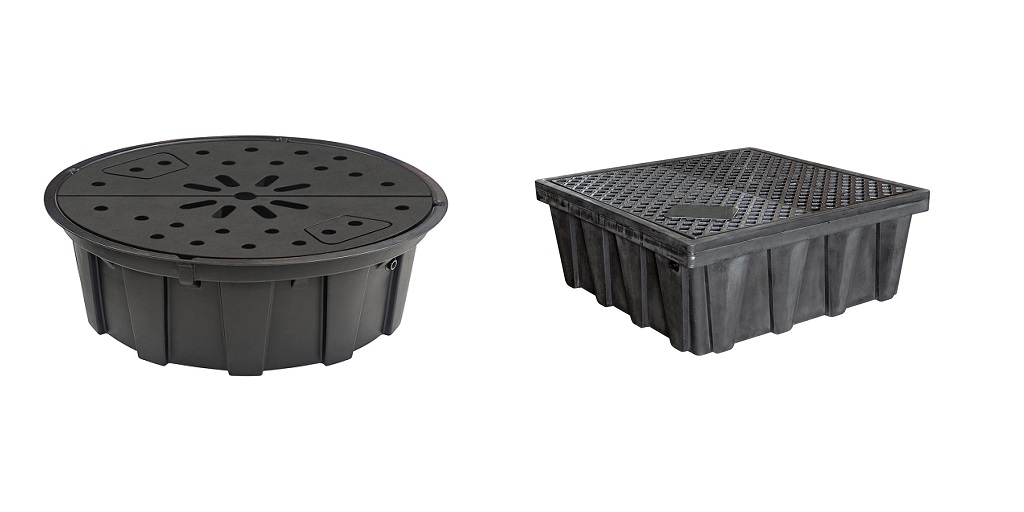
A fountain can be the standout feature of any landscape—but the behind-the-scenes structure keeping everything running smoothly is often overlooked. The fountain basin plays a central role in water circulation, structural support, and overall system function. To keep your water feature performing at its best, a little regular attention goes a long way.
Below are practical ways to maintain a fountain basin so it remains efficient, functional, and trouble-free over time.
How to Keep the Basin Free of Debris and Clogs
Leaves, mulch, algae, and even small critters can find their way into the basin, especially if it’s part of an outdoor setup. When debris accumulates, it blocks the pump intake, disrupts water flow, and strains the entire system. Over time, this can lead to pump failure or overflow issues.
A few simple habits can help:
- Install a pre-filter: Many basins include a protective screen or tray to catch large debris before it reaches the pump.
- Use a mesh cover or lid: For installations with high tree cover or pedestrian traffic, a secure basin lid can keep contaminants out while supporting heavy fountain tops or decorative elements.
- Check weekly: A quick visual inspection to clear out floating leaves or twigs can save bigger headaches down the road.
Preventing clogs doesn’t just preserve pump function—it also improves water quality and keeps the fountain looking polished.
Seasonal Basin Care: What to Know Before Winter
As temperatures drop, water features require specific care to withstand freezing conditions. While the fountain’s surface is the most visible concern, the fountain basin underneath needs just as much attention.
Here’s what to consider:
- Drain before freezing: If the fountain is not rated for winter operation or lacks a heater, it’s best to drain the entire basin and pump system before ice forms. Freezing water expands and can crack the basin walls or damage internal plumbing.
- Store pumps indoors: Most submersible pumps should be disconnected, cleaned, and brought inside for the winter. Leaving them submerged in freezing temperatures can reduce their lifespan or break internal seals.
- Cover the basin opening: A basin that remains outside should be covered securely to keep out snow, runoff, or nesting animals. This also reduces the mess come springtime.
Proper winterization is one of the best ways to extend the life of both the basin and the equipment it houses.
Do’s and Don’ts of Cleaning a Fountain Basin
Routine cleaning is essential, especially in systems with high splash or evaporation rates. Whether the basin is above ground or buried out of sight, the cleaning process should be approached carefully.
Do:
- Use a mild solution like a 10:1 water-to-vinegar mix to break down algae or buildup without harsh chemicals.
- Rinse thoroughly to remove soap or cleaning residues before restarting the fountain.
- Inspect while cleaning—look for signs of wear, small cracks, or shifting components.
Don’t:
- Avoid pressure washers, especially on plastic or composite basins—they can weaken seals or cause warping.
- Don’t use bleach or chemical cleaners not labeled as safe for aquatic life, especially if the fountain supports wildlife or nearby vegetation.
- Never clean the basin with the pump running. It increases the risk of damage and reduces visibility while working.
Routine cleaning not only protects equipment but also improves the appearance of the water feature.
Choosing the Right Pump and Plumbing Setup
Even with regular upkeep, a poorly matched pump can undermine efficiency. The fountain basin and the pump need to work in tandem, sized appropriately to handle the volume and weight of water the feature will recirculate.
Key considerations include:
- Basin capacity: Ensure the pump flow rate (GPH) complements the reservoir size. Too strong, and you’ll get splashing or overflow; too weak, and the feature may stagnate.
- Tubing layout: Secure all connections and route tubing to minimize sharp bends that restrict flow.
- Accessibility: Choose a basin that allows easy access to the pump for maintenance or replacement—especially important in deeper installations.
Systems that are balanced in both pump capacity and plumbing layout generally experience fewer malfunctions and require less intervention.
Efficiency in a water feature isn’t just about energy use—it’s about reducing wear, preventing problems, and minimizing maintenance time. With a well-maintained fountain basin, property owners can enjoy the beauty and sound of moving water without constant upkeep.
For high-quality basins built for both performance and durability, Blue Thumb offers a range of options designed to integrate seamlessly into custom fountain systems.