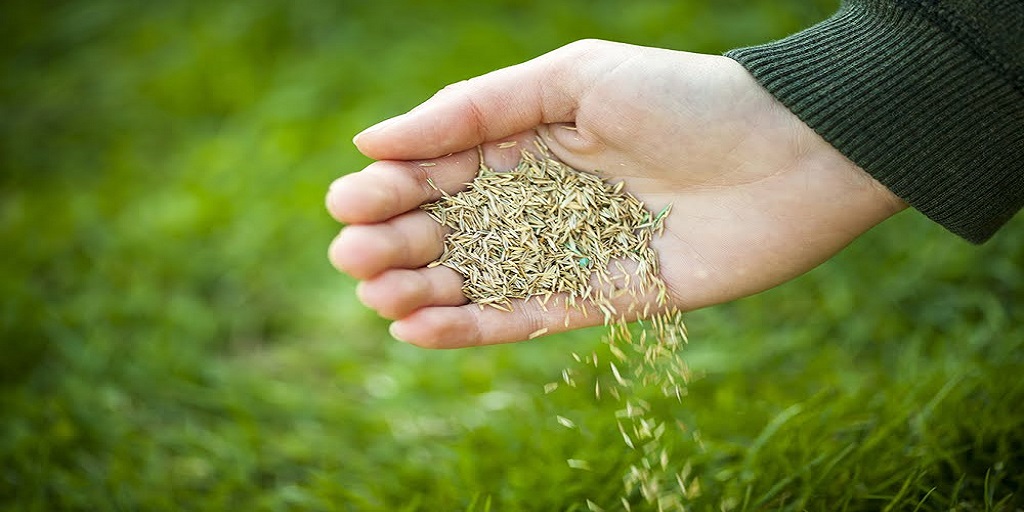
Have you ever looked over the fence at a neighbor’s lush, green lawn and wondered what their secret is? Chances are, they’re employing turf fertilization. Now, it might sound technical, but turf fertilization is really just a fancy way of talking about feeding your lawn the nutrients that it needs to stay healthy, green, and thick. For a thriving lawn – no matter the size – mastering it is essential. Read on below for a brief explainer on turf fertilization, and how to know when your lawn or turfgrass needs it:
What Exactly Is Turf Fertilization?
First, let’s start with a definition of terms. Turf fertilization is the process of applying nutrients to your lawn to help the grass grow stronger and healthier. It’s kind of like giving your lawn a balanced diet: just like how people need proteins, vitamins, and minerals to stay healthy, grass also needs nutrients such as nitrogen, phosphorus, and potassium to thrive. These nutrients support different aspects of grass health – from vibrant color and rapid growth to strong roots and resistance to pests or diseases.
There are lots of different fertilizer products out there, and each one is a little different. Choosing the right one depends on your lawn’s specific needs and your long-term lawn care goals. Some are quick-release, giving your lawn a fast boost, while others release slowly over time for more consistent growth. Fertilizers can be liquid or granular, synthetic or organic.
Why Is Fertilization Particularly Important for Turfgrass?
If your grass is getting regular water and sunshine, it’s easy to think that it seems to be doing just fine on its own. Over time, though, even the healthiest lawn can start to struggle if it isn’t getting enough nutrients. That’s because mowing, rainfall, and foot traffic all take a toll on your turfgrass and gradually deplete the soil of essential nutrients.
Fertilization helps fill in those nutritional gaps and gives your lawn the boost it needs to recover and thrive. When done right, it leads to thicker grass, deeper roots, and fewer weeds. Fertilized turf is also better equipped to handle stress from heat, drought, or heavy use – which means fewer brown patches and a more consistent appearance.
When Should You Fertilize Your Lawn?
One of the most important things that you should know about turf fertilization is that timing matters a lot. Applying fertilizer at the wrong time won’t just be a waste of effort it can actually hurt your lawn. The best time to fertilize depends on the type of grass you have and your local climate.
Leave Your Turf Fertilization to the Experts at Garpiel Group
If you’d rather leave your turf fertilization to a company that knows what they’re doing, check out Garpiel Group. Hiring a professional is a great way to save precious time and make sure that the job is done right the first time! Garpiel Group possesses the knowledge and tools to make sure that everything goes smoothly. Visit their website now to schedule a consultation.