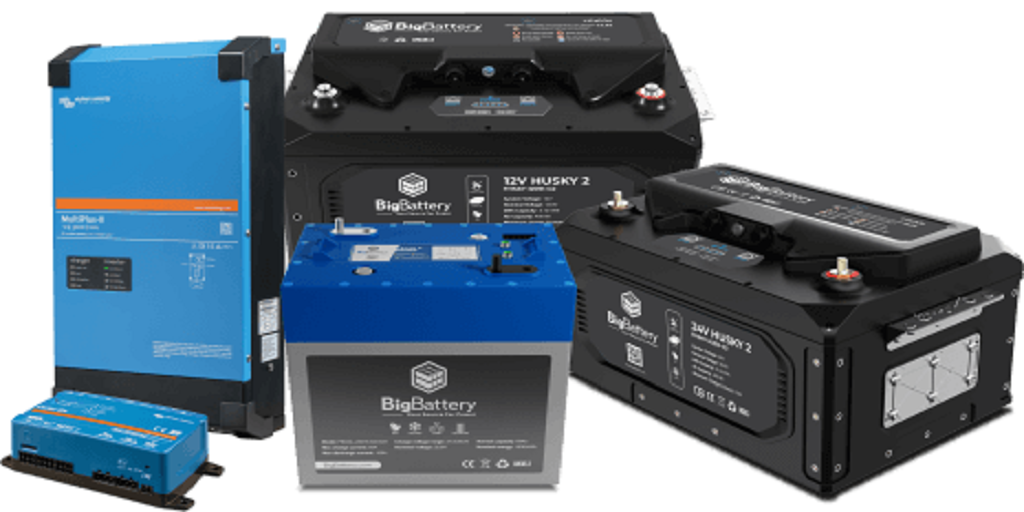
Anglers and boat owners have a lot more choices today than just a few years ago when it comes to powering their trolling motors. Traditional flooded lead-acid batteries used to be the go-to option, but technology has shifted. More boaters are now turning to a lithium trolling motor battery, largely because of its long lifespan, reliability, and reduced weight compared to older battery designs.
Why Lithium Is Changing the Market
Lithium Iron Phosphate (LiFePO4) batteries are becoming increasingly common for trolling motors, fish finders, GPS systems, and other on-board electronics. While they come at a higher upfront price, the long-term benefits are hard to ignore. Many brands back their lithium models with warranties as long as 8–12 years. Over that period, you may easily spend the same—or even more—replacing lead-acid batteries that wear out after just a few seasons.
In short, while the sticker price is higher, the investment in lithium often balances out over time with less hassle and better performance.
Understanding Battery Group Sizes
When shopping for a trolling motor battery, one of the first things you’ll notice is “group size.” This label doesn’t refer to how much power the battery provides, but instead its physical dimensions: length, width, and height. This classification ensures that a battery will fit in a designated tray or compartment on your boat.
The most common group sizes in marine applications are 24, 27, and 31. For example:
- Group 24: ~10.25” x 6.81” x 8.87”
- Group 27: ~12.06” x 6.81” x 8.75”
- Group 31: ~13.00” x 6.72” x 9.44”
It’s worth measuring your space before buying so that you avoid fitment issues, especially if you’re transitioning from a bulky lead-acid battery to a sleeker lithium option.
Amp-Hours and Run Time
Another key spec to pay attention to is the Amp-Hour (Ah) rating. This figure helps determine how long a battery will run before it needs to be recharged. The math is fairly simple:
Run Time (hours) = Battery Amp-Hour Rating ÷ Motor Current Draw (Amps)
So, if you have a 100Ah lithium trolling motor battery powering a motor that pulls 20 amps, you’ll get about 5 hours of use at a constant draw. Keep in mind, though, that conditions like wind, current, and how often you vary your speed will affect real-world run time.
Why Serious Anglers Choose Lithium
Lithium isn’t just about longevity, it’s also about performance. Unlike lead-acid batteries that lose voltage as they discharge, lithium batteries deliver consistent power until they’re nearly empty. That means your trolling motor won’t sluggishly fade out halfway through the day. On top of that, lithium batteries recharge more quickly and weigh considerably less, freeing up boat capacity for gear and passengers.
If you plan to fish frequently or keep your boat for many seasons, investing in a lithium trolling motor battery can save time, money, and frustration in the long run. With reliable output, lightweight design, and extended service life, it’s no surprise that more anglers are making the switch.
Looking to upgrade your trolling motor setup? Check out the full range of lithium marine solutions available at BigBattery and get the performance you need for every trip on the water.
For More Information About Solar Battery For Home and High Capacity Lithium Battery Please Visit: BigBattery.