Sewing, quilting and embroidery are hobbies that take time and effort to become skilful, and knowing how to use a sewing machine for a beginner can be a challenge. The good news is that sewing machines have come a long way from what they were a few decades ago.
Now with digital technology and the computer, sewing machines are more user-friendly than ever before, and the learning skill isn’t too steep. However, these machines have different features that might confuse a beginner.
With a plethora of options available, it’s important to select a machine that caters to a beginner’s needs while providing room for growth. Here are some of the most essential features that beginners should look for in their first sewing machine.
Choose a Brand or Model for Beginners
One of the first things you have to consider is the brand or model of the sewing machine. There are brands that are made specifically for beginners, and many of them have the features you need.
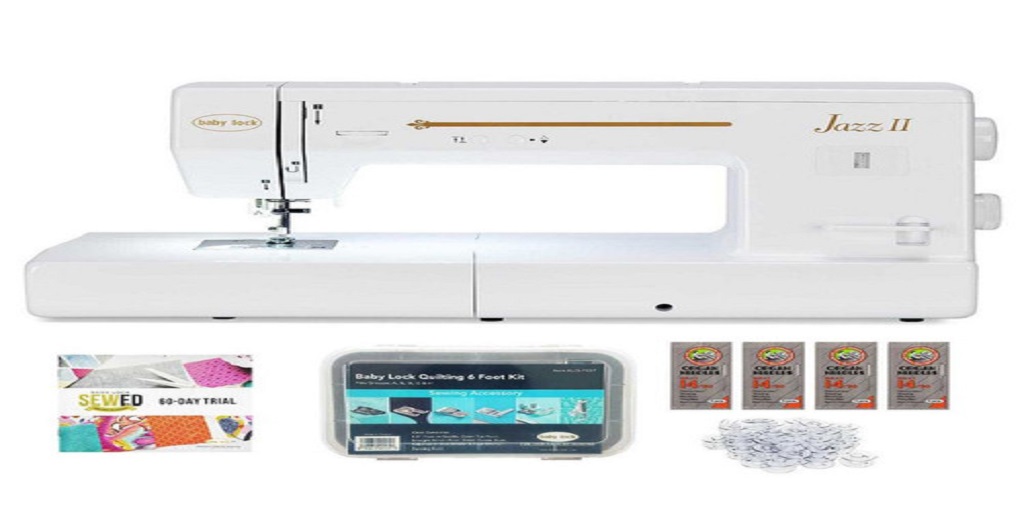
Consider Baby Lock sewing machines or Janome, as these brands have sewing machines that suit the beginner and those who have intermediary skills. So as you are progressing in your hobby, your machine can still help you improve your sewing skills, especially with the right Baby Lock sewing machines.
A User-Friendly Interface
As a beginner, you want a sewing machine with straightforward controls. Look for machines with a digital display that makes it easier to select and adjust settings. The display can also help you choose the stitching you need for your first projects.
Automatic Features
Sewing machines now have automated features that make it easier to sew any kind of project, but the following are the most important automated features you need in your first sewing machine.
Automatic Needle Threader
This feature saves time and reduces frustration by automatically threading the needle for you.
Automatic Thread Cutter
An automatic thread cutter trims the thread with a simple push of a button, making the sewing process more efficient.
One-Step Buttonhole
This feature allows you to create buttonholes in a single step, simplifying what can otherwise be a tricky process.
Stitch Options
A good beginner sewing machine should offer a variety of basic stitches, including straight, zigzag, and buttonhole stitches. Having these essential stitches allows you to complete a wide range of projects.
It should also have an adjustable stitch length and width, which gives you more control over your sewing. It also allows you to customize your stitches based on your project’s requirements.
Built-in Accessories
Different presser feet are essential for various sewing techniques. Look for a machine that comes with multiple presser feet, including: an all-purpose foot (for general sewing tasks), a zipper foot, buttonhole foot, and blind hem foot (creating invisible hems.)
Free Arm
A free arm is indispensable for sewing cylindrical items like sleeves and pant legs. It allows you to maneuver fabric more easily and achieve professional results on smaller, more intricate projects.
Maintenance Features
A sewing machine for beginners should also have maintenance features, so maintaining your machine is easier to learn and to do. A drop-in bobbin system is more beginner-friendly than a front-loading bobbin.
It’s easier to see and insert the bobbin correctly, reducing the chances of thread jams and making it simpler to monitor the thread supply. Choose a sewing machine with an easily accessible bobbin area and removable parts for quick and hassle-free cleaning.
Consider Your Skills and Your Needs
Selecting the right sewing machine is a crucial step for any beginner. However, each person will have different skill levels, preferences, and project needs. You can prioritize all the features listed hee, but make sure to consider your skills and your project needs.
There are other additional features that might also be of value, so consider these features too, such as speed control and lighting to help you explore your creativity and improve your skills.