Are you tired of dealing with rough and imprecise holes in your machining projects? Do you ever find yourself struggling to maintain the desired level of accuracy and cleanliness in your hole-making processes?
What if we told you there’s a solution that can transform your hole-making endeavors into a work of art? Imagine achieving clean, precise, and flawless holes effortlessly, elevating the quality and efficiency of your machining projects.
In this article, we delve into the art of using stub drills, uncovering their secrets, and unveiling how they can be your ultimate tool for achieving clean and accurate holes like never before.
Understanding the Essence of Stub Drills
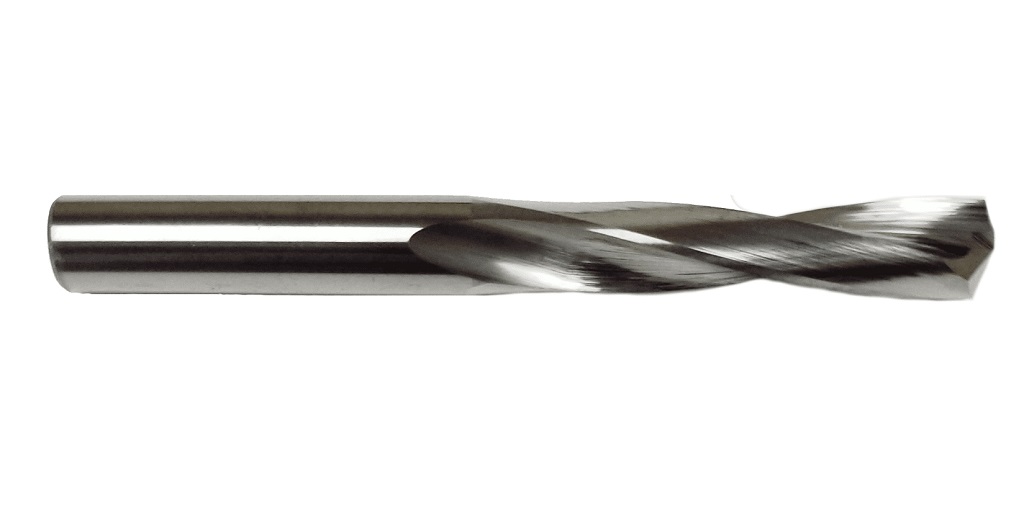
Stub drills, also known as screw machine drills or stub-length drills, are cutting tools specifically designed for creating short, shallow holes in various materials.
Unlike regular-length drills, stub drills have a shorter flute length, which provides greater stability during the drilling process. This feature significantly reduces the chance of deflection, making stub drills ideal for precise hole-making applications.
Choosing the Right Stub Drill for Your Application
Selecting the appropriate stub drill for your project is a critical step in achieving the desired hole quality and ensuring the success of your hole-making endeavors. The right stub drill can significantly impact the efficiency, accuracy, and overall performance of your machining tasks.
To make an informed decision, consider the following factors when choosing a stub drill for your application:
1. Material Being Drilled:
Different materials have distinct properties that affect the drilling process. Some materials are more abrasive, while others may be more prone to work-hardening. Understanding the properties of the material is essential in selecting a stub drill that can handle the specific challenges posed by each material.
2. Hole Diameter:
The size of the hole you need to create plays a vital role in determining the appropriate stub drill. Smaller diameter holes may require stub drills with specific point angles and flute designs to achieve clean and accurate results.
3. Cutting Conditions:
Understanding the cutting conditions is crucial in optimizing the stub drill’s performance. Factors such as cutting speed, feed rate, and the presence of coolant or lubricant influence the drilling process. Adjusting these parameters can impact chip evacuation, tool life, and surface finish.
Techniques for Optimal Stub Drill Performance
Achieving clean and accurate holes with stub drills requires more than just the right tool selection; proper drilling techniques are equally crucial.
Implementing the following techniques can significantly impact the performance and efficiency of stub drills, leading to precise and flawless hole-making:
1. Maintain Correct Cutting Speed and Feed Rate:
The cutting speed and feed rate are fundamental factors that determine how quickly the stub drill rotates and advances into the material. Balancing these parameters is essential to avoid tool wear, overheating, and poor hole quality.
2. Utilize Appropriate Lubrication or Coolant:
Lubrication or coolant serves several vital functions during the drilling process. It reduces friction, dissipates heat, and flushes away chips, improving both tool life and surface finish.
3. Secure Workpiece Clamping:
Minimizing vibrations and workpiece deflection is crucial to achieving precise hole-making. Properly clamping the workpiece ensures stability during the drilling process, contributing to improved accuracy and reduced risk of tool damage.
By incorporating these techniques into the stub drilling process, machinists and manufacturers can achieve optimal stub drill performance and ensure clean and accurate hole-making.
Elevate Your Hole-Making Craftsmanship with Stub Drills
The art of achieving clean and accurate holes lies in the careful selection and skillful use of stub drills. With their precise design and composition, stub drills offer the stability and efficiency needed to create flawless holes in various materials. Whether you’re working on aerospace components, woodworking projects, or any other application, stub drills from Online Carbide provide the craftsmanship and quality you seek.
Visit Online Carbide to explore their extensive range of high-quality stub drills and experience the difference they can make in your machining endeavors.