The RV battery is a vital component that powers various systems and appliances in your recreational vehicle. However, like any other battery, it can experience issues that may affect its performance and disrupt your travels.
Understanding the common RV battery issues and knowing how to deal with them is essential for a smooth and trouble-free journey. Let’s look at the most common RV battery issues and provide tips on how to handle them effectively.
Insufficient Charge
One of the most common issues RV owners encounter is an insufficiently charged battery. This can occur due to extended periods of inactivity, improper maintenance, or excessive power consumption.
To address this issue, ensure that you properly maintain and charge your RV battery regularly. Follow the manufacturer’s instructions for charging and storage. Consider investing in a quality battery charger or a solar panel system to keep your battery charged, especially during extended periods of non-use.
Corrosion and Poor Connections
Corrosion and poor connections can hinder the performance of your RV battery. Over time, battery terminals and cable connections can become corroded, leading to a weak or intermittent electrical connection.
Regularly inspect the battery terminals and cables for signs of corrosion. Clean the terminals with a mixture of baking soda and water, using a wire brush or battery terminal cleaner. Ensure that the connections are tight and secure, and consider applying a protective coating or terminal grease to prevent future corrosion.
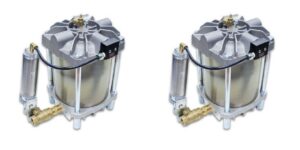
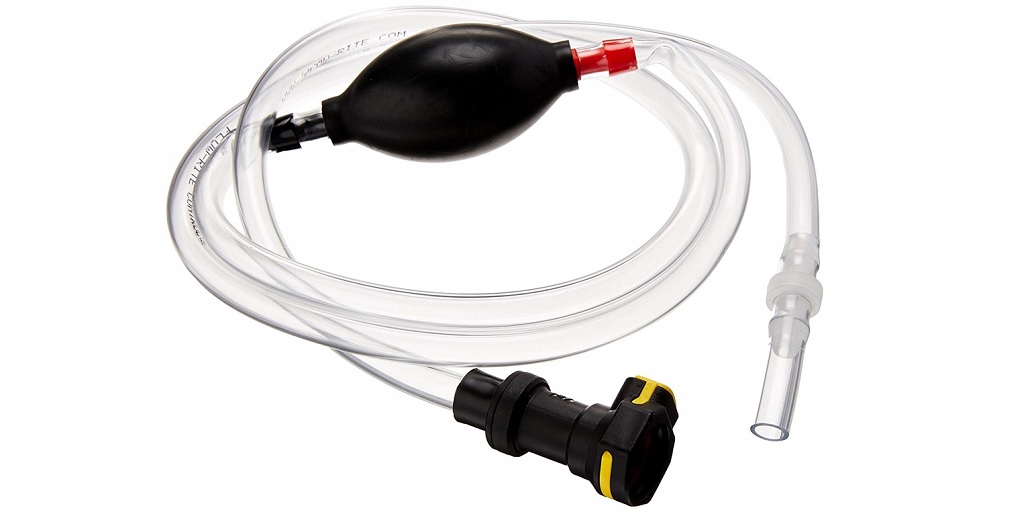
Get an RV battery watering system to automate the process of adding water to your batteries and prevent corrosion. RV battery watering systems eliminate the need for manual watering by utilizing a set of interconnected tubes and valves that distribute water to each battery cell simultaneously.
These systems ensure that your batteries are properly hydrated and functioning optimally and prevent overfilling, ensuring that the water level in each cell remains at the appropriate level.
Overfilling can lead to electrolyte overflow and damage to the battery, while underfilling can result in poor battery performance and decreased lifespan.
With an RV battery watering system, you know that your batteries are consistently filled with the correct amount of water.
Overcharging
Overcharging is another issue that can damage your RV battery. This occurs when the battery is continuously charged beyond its recommended capacity. Overcharging can lead to electrolyte loss, reduced battery life, and even battery failure.
You need to invest in a quality battery charger with built-in voltage regulation or consider using a smart charger that automatically adjusts the charging process. Regularly monitor the battery’s voltage levels and disconnect the charger once it reaches a full charge.
Deep Discharging
Deep discharging, or allowing the battery to discharge below a safe level, can significantly reduce its lifespan and overall capacity. It can occur when running power-hungry appliances for extended periods without proper recharging.
You have to be mindful of your power consumption and use energy-efficient appliances when possible. Consider installing a battery monitor or voltage indicator to track the battery’s state of charge. If the battery does discharge significantly, recharge it as soon as possible to prevent permanent damage.
Sulfation
Sulfation is a buildup of lead sulfate crystals on the battery plates, which occurs when the battery remains in a partially discharged state for extended periods. This buildup reduces the battery’s ability to hold a charge and decreases its overall performance.
RV owners need to maintain a fully charged battery whenever possible. If sulfation has already occurred, you can try using a desulfator or desulfation charger to dissolve the sulfate crystals and restore the battery’s capacity.
Age and Wear
RV batteries have a limited lifespan and will eventually wear out over time. The typical lifespan of a battery can range from three to seven years, depending on usage and maintenance. If you notice a significant decrease in your battery’s performance, such as reduced capacity or difficulty holding a charge, it may be time to replace the battery.
When you understand and address the most common RV battery issues, you can ensure optimal battery performance and prolong its lifespan. Regular maintenance and using essential systems, such an automated watering system from a reputable store like RVupgrades.com, can keep your RV battery in good condition.