In the realm of foundation engineering, there are times when traditional methods simply won’t suffice. Whether it’s due to prolonged exposure to moisture, challenging soil conditions, or the need for minimal disturbance near existing structures, helical anchors emerge as a reliable solution. So, what exactly is a helical anchor, when should you consider using one, and what are the benefits? Let’s delve into this innovative foundation technology.
What’s a Helical Anchor?
A helical anchor, also referred to as a screw pile, screw anchor, or helical pile, is an adaptable foundation system. It comprises steel plates with helical shapes that are attached to a central steel shaft, which can have either a round or square cross-section. The specifications of these steel plates – their thickness, number, diameter, and helix position – are determined by various factors such as the structure’s design life, environmental corrosion risks, geotechnical conditions, and load requirements.
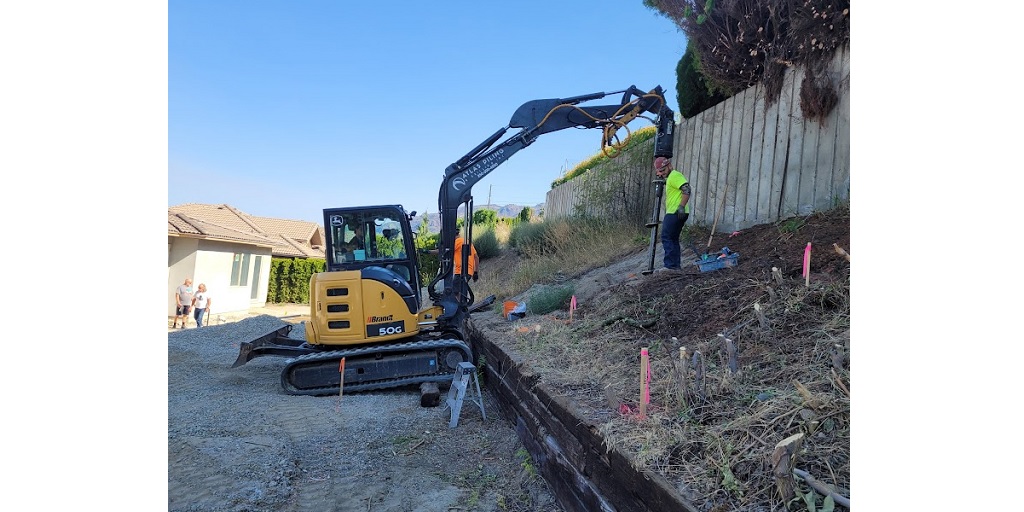
Installation of helical anchors is accomplished by rotating them into the ground, typically utilizing hydraulic rotary attachments on heavy machinery. Unlike traditional foundations, this method minimizes the need for extensive excavation. Once these plates reach a sufficient depth, they provide substantial resistance to pull-out forces and transfer the load efficiently from the steel shaft to the surrounding soil. Modern helical anchors can support impressive loads, often exceeding 2,000 kN.
When are Helical Anchors Used?
Helical anchors find utility in a diverse array of applications. They can be employed to secure new foundations or to rehabilitate existing ones. This adaptability makes them invaluable in industries such as construction, telecommunications, transportation, and more, particularly when projects require rapid installation or involve working in close proximity to existing structures.
Common uses for helical anchors include supporting lighthouses, roads, railways, and communication infrastructure. They are equally suited for compression and tensile loads, making them ideal for applications like signs, retaining walls, and masts. Additionally, helical anchors can be a cost-effective solution for repairing existing foundations, including those suffering from cracks or leaning walls.
Benefits of Helical Anchors
The adoption of helical anchors brings forth a host of benefits:
Ease of Installation and Removal: Helical anchors are relatively easy to install and can be removed if necessary, making them a flexible option for various projects.
Suitability in Any Weather: These anchors can be installed in almost any weather condition, reducing project delays due to adverse weather.
Access in Restricted Spaces: Helical anchors can be installed in areas with limited access, thanks to their relatively compact equipment requirements.
Environmental Friendliness: They help reduce a project’s carbon footprint because they generate minimal soil disturbance, eliminating the need to transport excess soil from the site.
Time Efficiency: Helical anchor installation is typically faster than traditional foundation methods, saving valuable time on your project.
Minimal Vibration: Their installation produces little to no vibration, making them ideal for projects near sensitive structures or environments.
Cost Savings: By minimizing excavation and soil removal, helical anchors can reduce overall foundation costs.
Conclusion
When considering the use of helical anchors, it’s crucial to work with experienced professionals who understand the nuances of this technology. One such expert is Atlas Piling, a leader in helical anchor solutions. They have a wealth of experience in the field and can provide tailored solutions for your specific project needs. For expert guidance and assistance with helical anchor projects, reach out to Atlas Piling and experience the advantages of this innovative foundation technology firsthand.