As the construction industry continually evolves, so too do the methods and technologies used in foundation engineering. One innovation that has gained widespread recognition for its efficiency and versatility is the use of screw piles.
In this blog, we will delve into a comprehensive comparison between screw piles and traditional foundation methods, shedding light on key factors that influence the choice between these two approaches.
1. Installation Speed and Efficiency
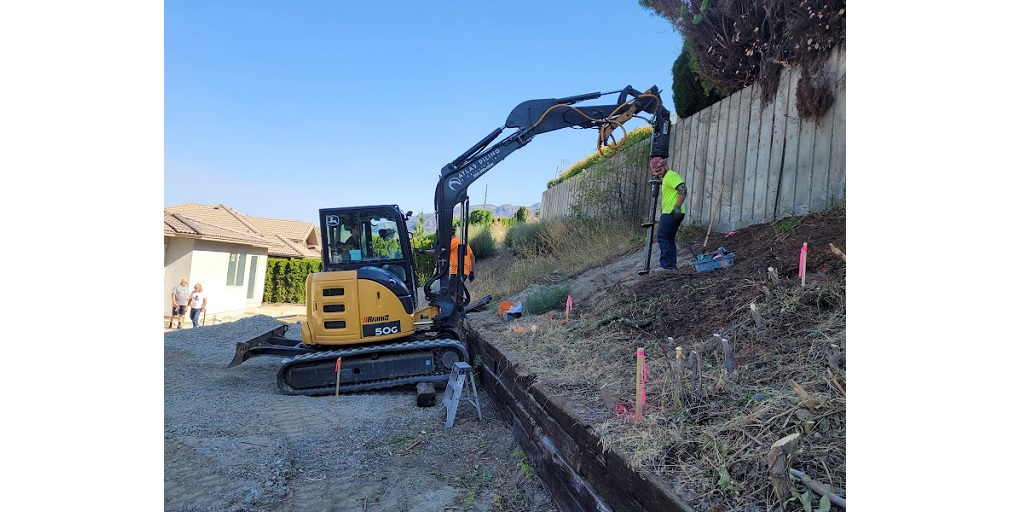
Screw piles, also known as helical piles, boast a significant advantage in terms of installation speed and efficiency. Traditional foundation methods often involve time-consuming processes such as excavation and curing of concrete. In contrast, screw piles are mechanically screwed into the ground, reducing installation time substantially. This efficiency not only accelerates project timelines but also minimizes disruptions to the construction site.
2. Cost Considerations
Cost-effectiveness is a critical factor in any construction project. Screw piles can offer a cost advantage over traditional foundation methods due to their quicker installation, which translates to reduced labor costs and overall project expenses. Additionally, the simplicity of screw pile installation minimizes the need for heavy machinery, further contributing to cost savings.
3. Versatility in Soil Conditions
One of the standout features of screw piles is their adaptability to various soil conditions. Whether dealing with soft, sandy soil or dense, rocky terrain, screw piles can be customized to meet specific project requirements. Traditional foundations, on the other hand, may encounter challenges in certain soil types, necessitating additional engineering solutions or modifications.
4. Environmental Impact
Environmental sustainability is an increasingly significant consideration in construction projects. Screw piles exhibit a minimal environmental footprint compared to traditional foundation methods. The installation process generates less soil disturbance, and the absence of concrete curing reduces the release of pollutants. For environmentally-conscious projects, screw piles offer a greener alternative that aligns with modern sustainability practices.
5. Load-Bearing Capacity
Both screw piles and traditional foundations can provide robust load-bearing capacity. However, screw piles often excel in this aspect due to their helical design, which enhances stability and resistance to vertical and horizontal loads. The versatility of screw piles allows for adjustments to meet specific load requirements, making them a reliable choice for a wide range of construction projects.
6. Adaptability to Site Conditions
Construction sites can present unexpected challenges, and adaptability is crucial for overcoming these hurdles. Screw piles demonstrate superior adaptability to changing site conditions, allowing for adjustments on-site to accommodate unforeseen challenges. Traditional foundation methods may require more extensive modifications, leading to potential delays and increased costs.
7. Long-Term Performance and Durability
The durability of a foundation is paramount for the long-term stability of any structure. Screw piles, when properly designed and installed, exhibit excellent durability and longevity. Their resistance to corrosion, ease of maintenance, and ability to withstand ground movements make them a reliable choice for projects with a focus on long-term performance.
For those seeking Screw Piles services, Atlas Piling emerges as a trusted partner, offering unparalleled expertise and a commitment to excellence. With a proven track record in delivering successful projects across diverse industries, Atlas Piling combines advanced technology with a deep understanding of local soil conditions. Choosing Atlas Piling ensures that your project benefits from the efficiency, versatility, and reliability that screw piles bring to the table.
Conclusion
The choice between screw piles and traditional foundation methods involves careful consideration of factors such as installation speed, cost, adaptability, and environmental impact. As construction practices continue to evolve, the advantages of screw piles become increasingly apparent, positioning them as a competitive and sustainable choice for modern foundation engineering. When in doubt, consulting with experts like Atlas Piling can provide invaluable insights and ensure the success of your construction project.