Helical pile drivers have become a popular choice for foundation support in various construction projects due to their efficiency, versatility, and minimal environmental impact. However, not all Helical Pile Driver are created equal. In this blog post, we’ll compare different types of helical pile drivers to help you understand their differences and choose the right one for your project.
- Hydraulic Pile Drivers
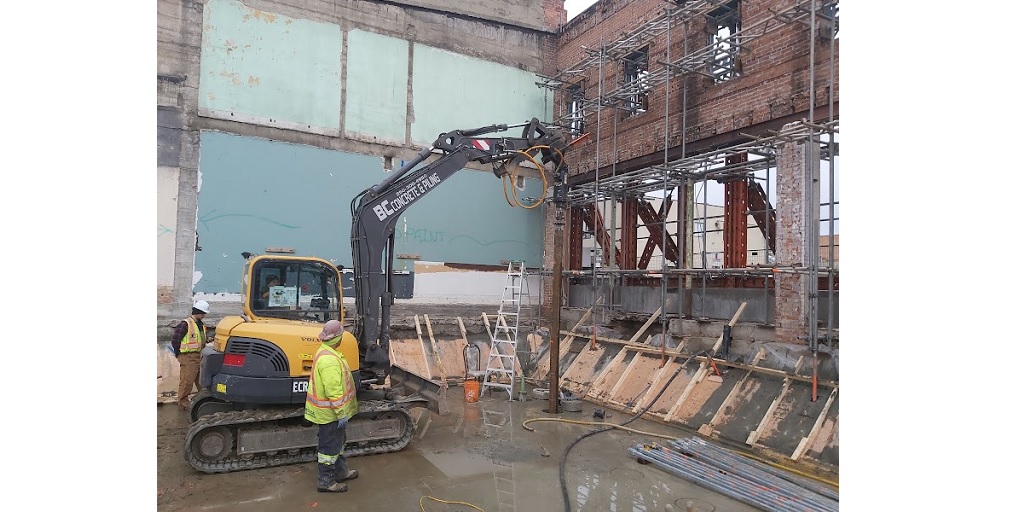
Hydraulic pile drivers are among the most commonly used types of helical pile drivers. They utilize hydraulic power to generate the torque required to install helical piles into the ground. These machines are versatile and can be mounted on different types of equipment, such as excavators, skid-steer loaders, or crane attachments. Hydraulic pile drivers offer precise control over installation depth and torque, making them suitable for a wide range of soil conditions.
- Electric Pile Drivers
Electric pile drivers are another option for installing helical piles. These machines are powered by electricity and are often used in indoor or noise-sensitive environments where diesel-powered equipment may not be suitable. Electric pile drivers are quieter and produce zero emissions, making them environmentally friendly. However, they may not be as powerful as hydraulic pile drivers and may require access to a power source, which can limit their mobility on certain job sites.
- Handheld Pile Drivers
Handheld pile drivers are compact, portable devices that are operated manually or with the assistance of a small power source, such as a hydraulic power pack. These pile drivers are ideal for projects with limited access or space constraints where larger equipment cannot be used. While handheld pile drivers offer flexibility and maneuverability, they may not be suitable for larger-scale projects due to their limited power and efficiency.
- Auger Drives
Auger drives are specialized attachments that can be used in conjunction with hydraulic equipment to install helical piles. These attachments feature a rotating auger bit that drills into the ground, creating a pilot hole for the helical pile to be inserted into. Auger drives are commonly used in conjunction with hydraulic pile drivers to streamline the installation process, especially in dense or rocky soil conditions where traditional methods may be impractical.
- Vibratory Pile Drivers
Vibratory pile drivers utilize vibratory action to drive helical piles into the ground. These machines are often used in sandy or granular soil conditions where traditional methods may struggle to achieve proper penetration. Vibratory pile drivers work by transmitting high-frequency vibrations to the pile, causing it to move vertically into the ground with minimal resistance. While effective in certain soil types, vibratory pile drivers may not be suitable for all projects and may require careful consideration of soil conditions and site constraints.
Choosing the Right Pile Driver for Your Project
When selecting a helical pile driver for your project, it’s essential to consider factors such as soil conditions, project scope, accessibility, and environmental impact. Hydraulic pile drivers offer versatility and precision, making them suitable for a wide range of applications. Electric pile drivers are environmentally friendly but may have limitations in terms of power and mobility. Handheld pile drivers are compact and flexible but may not be suitable for larger projects. Auger drives and vibratory pile drivers offer specialized solutions for challenging soil conditions but require careful consideration of their suitability for specific projects.
Conclusion
The choice of helical pile driver for your project depends on various factors, including soil conditions, project scope, and site constraints. Whether you opt for a hydraulic, electric, handheld, auger, or vibratory pile driver, it’s essential to choose a reliable and experienced supplier like Atlas Piling. With their expertise and state-of-the-art equipment, Atlas Piling can provide tailored solutions to meet your foundation support needs, ensuring the success and longevity of your construction project.