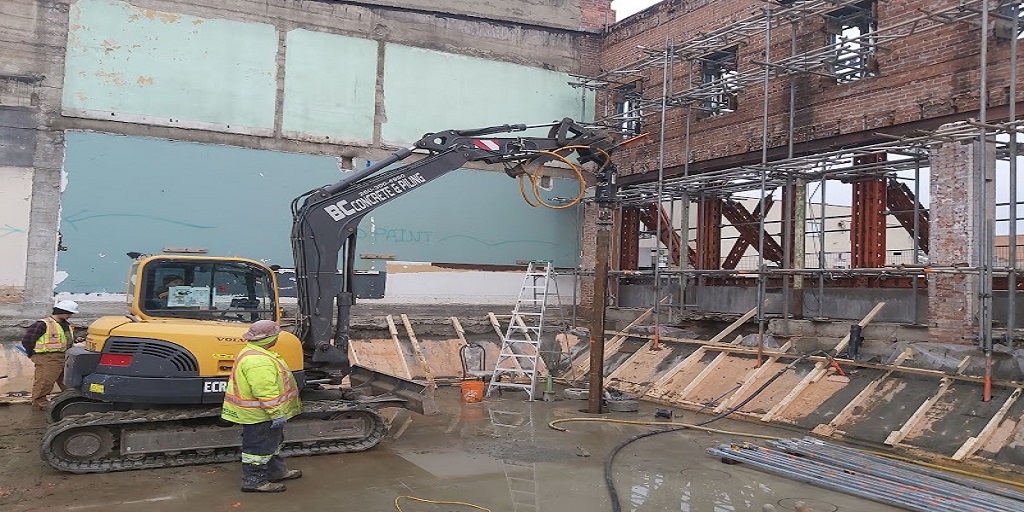
Coastal areas present unique challenges for construction, requiring careful planning and consideration of environmental factors. One effective solution for foundation support in these regions is the use of helical screw piles. These piles offer several advantages, including durability, ease of installation, and adaptability to various soil conditions. However, when it comes to installing helical screw piles in coastal regions, several key considerations must be taken into account to ensure the longevity and stability of the structures they support.
Understanding Soil Conditions
The first and most crucial consideration for installing helical screw piles in coastal areas is the soil composition. Coastal soils often consist of a mix of sand, silt, clay, and organic material, each affecting the load-bearing capacity and stability of the piles differently. Sand, for instance, provides relatively low resistance to lateral movement, which can be problematic in areas prone to shifting due to tides or storms. On the other hand, clay-rich soils may offer better lateral support but could pose challenges during installation due to their density and stickiness.
Before installation, it’s essential to conduct thorough geotechnical investigations to determine the soil types and conditions present at the site. This data will help in selecting the appropriate size and type of helical screw piles, ensuring they are designed to withstand the specific challenges posed by coastal environments.
Corrosion Protection
Another critical factor in coastal regions is the potential for corrosion. The presence of saltwater and high humidity levels can accelerate the corrosion of metal components, including the steel shafts of helical screw piles. To mitigate this risk, it’s vital to select materials with adequate corrosion resistance. Galvanized steel, for instance, is commonly used for its ability to withstand harsh marine environments.
In addition to material selection, protective coatings or cathodic protection systems may be employed to further enhance the durability of helical screw piles. Regular inspections and maintenance should also be planned to monitor the integrity of the piles over time, particularly in environments where saltwater exposure is continuous.
Addressing Load-Bearing Requirements
Coastal structures often face unique load-bearing requirements due to factors such as high winds, storm surges, and potential flooding. The design and installation of helical screw piles must take these dynamic loads into account to prevent structural failure. Engineers should carefully calculate the expected loads and ensure that the piles are installed to a sufficient depth to provide the necessary support.
In some cases, additional measures, such as cross-bracing or the use of larger diameter piles, may be necessary to enhance the stability of the structure. It’s also important to consider the potential for erosion or soil movement over time, which can affect the performance of the piles. Incorporating these factors into the design process will help ensure that the foundation remains stable, even in the face of extreme weather conditions.
Environmental Impact and Regulations
Installing helical screw piles in coastal areas also requires careful consideration of environmental regulations and the potential impact on local ecosystems. Coastal zones are often protected areas, and construction activities must be conducted in compliance with environmental laws and guidelines. This includes minimizing disruption to local wildlife, vegetation, and marine habitats.
It’s important to work closely with environmental consultants and regulatory agencies to obtain the necessary permits and ensure that the installation process adheres to all relevant standards. By doing so, you can avoid costly delays and ensure that your project is both environmentally responsible and legally compliant.
Helical screw piles offer a reliable and effective solution for foundation support in coastal regions, but their installation requires careful planning and attention to various environmental and structural factors. By understanding soil conditions, addressing corrosion risks, considering load-bearing requirements, and adhering to environmental regulations, you can ensure the success of your project and the long-term stability of your structures.