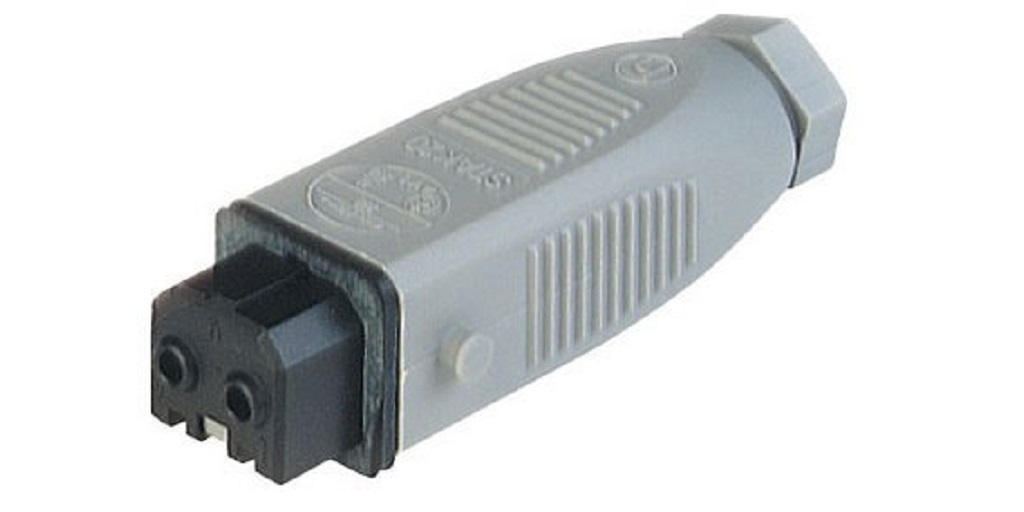
In modern industries, effective cable management is crucial to ensuring safety, reducing maintenance costs, and optimizing system performance.
Sealcon stands as a leader in the field of industrial cable management, offering a wide range of cable glands and related products that address the diverse needs of industrial automation, electrical, and mechanical applications.
Sealcon’s solutions, including their strain relief cable glands, are designed to provide durability, versatility, and ease of installation. This article will briefly explore the key aspects of Sealcon’s cable management solutions, their applications, and why they are a vital component for industrial systems.
What Are Cable Glands and Why Are They Important?
Cable glands, often referred to as strain relief devices, serve the critical function of securing the end of a cable to a piece of equipment. They protect cables from damage, prevent moisture ingress, and ensure that the cable remains firmly in place during use. By reducing the risk of cable strain and maintaining a secure seal, these glands prolong the life of cables and enhance the overall safety of electrical systems.
In industrial settings, cables are often exposed to harsh conditions, including temperature fluctuations, moisture, dust, and physical wear. Cable glands are engineered to withstand these challenges, offering solutions for both standard and hazardous environments. Sealcon’s cable glands are specifically designed to meet these rigorous requirements, providing a reliable solution for cable management in a wide range of industries.
Key Features of Sealcon Cable Glands
Sealcon offers a variety of cable glands that cater to different industrial needs. Their product line includes options for different cable sizes, materials, and environmental conditions. Some of the key features that set Sealcon cable glands apart from the competition include:
1. Durable Construction: Sealcon cable glands are constructed from high-quality materials, including nickel-plated brass, stainless steel, and plastic. This ensures that they can withstand the harsh conditions often found in industrial environments, such as exposure to chemicals, extreme temperatures, and mechanical stress.
2. IP Ratings for Protection: One of the standout features of Sealcon cable glands is their high ingress protection (IP) ratings. These ratings ensure that the glands are protected against dust, moisture, and other environmental factors that could damage cables or interfere with their performance. Sealcon offers cable glands with IP68 and IP69K ratings, making them suitable for use in both indoor and outdoor applications, even in the most demanding environments.
3. Wide Range of Sizes: Sealcon offers a variety of cable gland sizes to accommodate different cable diameters. This flexibility ensures that their cable glands can be used in a wide range of applications, from small-scale installations to larger industrial setups. Additionally, the availability of different thread types, such as NPT, Metric, and PG, ensures compatibility with a variety of equipment.
4. Strain Relief Functionality: Sealcon cable glands are designed to provide effective strain relief, which helps to protect cables from mechanical stress and prolong their service life. By relieving the strain on the cable connection points, these glands reduce the risk of damage due to movement or vibration, which is common in industrial settings.
5. Versatility in Application: Whether you are working in the automation industry, telecommunications, or renewable energy, Sealcon cable glands are designed to be versatile enough to meet the specific needs of various industries. Their wide range of products includes options for both hazardous and non-hazardous environments, ensuring that you can find the right cable gland for your application.
Visit Products For Automation to Get Started
Sealcon cable management solutions are designed to provide superior protection, durability, and ease of use. Whether you are looking for strain relief cable glands, Ex cable glands for hazardous environments, or specialized cable management solutions for automation, telecommunications, or renewable energy applications, Sealcon has a product to meet your needs.
High-quality cable management solutions from Sealcon are available online at Products For Automation. Here you can easily view a wide range of components for your industrial needs. Visit their website today to get started!