Mold in the kitchen is a common problem. If you’ve ever dealt with it, then you already know how frustrating it can be. You can scrub it out, only to discover a few days later that it’s come back!
Kitchens may be the perfect breeding ground for mold, no thanks to moisture, warmth, and the presence of food. Fortunately, there are practical ways to eliminate mold and, even better, stop it from coming back. Read on below for a step-by-step guide on how to fight mold in the kitchen and ensure your cooking space stays fresh, clean, and mold-free:
What Causes Mold in the Kitchen?
Why does mold love the kitchen?
As you may already know, it thrives in environments with moisture, poor ventilation, and food particles. Kitchens provide all these elements, whether it’s from spills, leaks, or the general humidity that comes from cooking and washing dishes.
Here are some of the most common mold triggers in the kitchen:
- Leaky faucets and pipes: Even the smallest of drips can create a damp environment that mold can thrive in.
- Poor ventilation: Moisture lingers without proper air circulation, leading to the mold appearing near windows, sinks, and cooking areas.
- Spilled food and liquids: Leftover crumbs or spills that aren’t quickly cleaned up don’t just attract pests, they can also become a feast for mold.
- Damp dish towels and sponges: These can harbor bacteria if they aren’t properly dried out after use.
How to Fight Mold in the Kitchen
Step 1 – Deep Clean to Eliminate Existing Mold
The first step in fighting mold is to tackle the existing problem. Mold can spread quickly, so it’s important to do a deep clean and remove all traces of it.
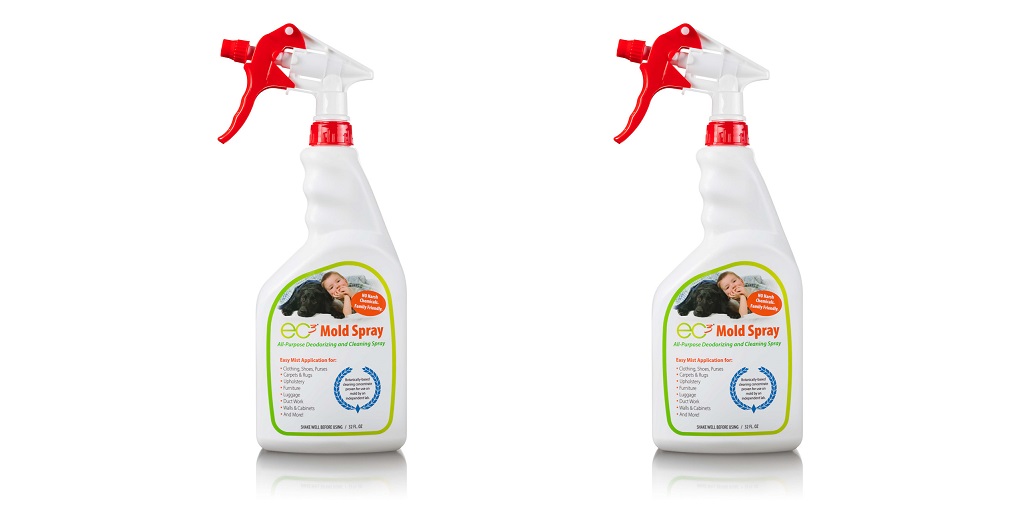
Start by scrubbing away visible mold using a specialized product especially designed for the purpose like Micro Balance Health Products’ mold treatment spray, EC3 Mold Solution Spray. This all-natural, multipurpose mold treatment spray is made out of a proprietary citrus seed blend and safe for use on surfaces where you prepare food. Don’t forget to clean less obvious areas that can be mold hotspots, too – these include under the sink, behind the fridge, or inside your garbage disposal.
Step 2 – Address Moisture Issues
The key to keeping mold from returning is to control the moisture in your kitchen. Without moisture, mold can’t grow.
Leaky faucets, pipes, or even a refrigerator that drips can create the perfect environment for mold. Inspect your kitchen regularly for any signs of water damage or leaks, and if you find one, get it repaired immediately.
It’s also a good idea to make sure that your kitchen is properly ventilated. Kitchens can become humid quickly, especially when cooking or washing dishes. To address this, use an exhaust fan while cooking to pull moisture out of the air, and open windows when possible to let fresh air circulate. If you live in a particularly humid area, using a dehumidifier in your kitchen can help. It will keep humidity levels low and prevent mold from finding a comfortable place to grow.
Step 3 – Keep Surfaces Dry
One of the best ways to prevent mold is to keep your kitchen surfaces dry. By wiping down surfaces after you use them, you can significantly reduce the chance of mold taking hold.
Sinks are one of the main spots where mold starts because they’re constantly exposed to water. After washing dishes, dry out your sink using a towel or squeegee. Don’t forget to check around the faucet, where water tends to pool. Additionally, try not to leave wet dishes in the sink – dry them immediately, or place them in a dish rack where they can fully dry without touching the countertop or other surfaces.
Fighting mold in the kitchen is all about staying proactive. Regular cleaning, reducing moisture, and addressing leaks will help you keep mold under control.
By following the steps listed above, you’ll not only get rid of existing mold but also make sure it doesn’t come back, giving you peace of mind that your kitchen is a healthy and safe space to prepare food.