There’s more to electrical wire than meets the eye, and some wires and cable types are better used than others in specific circumstances and for niche, specialty applications.
With that said, here are 6 attributes of electrical wire and cable that you should understand before undertaking any electrical job, no matter how simple or straightforward it might seem.
Electrical Wire Gauge
All else being equal, electrical wire gauge is probably the most important thing you need to understand as it directly determines voltage rating and thereby where and how the wire in question can safely and practically be used.
Gauge, typically measured in “American Wire Gauge” or “AWG” in North America, gives the thickness of the wire. The higher the gauge number, the thinner the wire, and the lower the gauge number, the thicker the wire, as it is an inversely proportional gauge.
Obviously, thicker wires can handle higher electrical potentials (voltage) and current, so knowing what this means as well as what minimum requirements are for a specific job are essential to functionality and safety.
Electrical Conductor Material
After electrical wire gauge, it’s important to know what material the wire’s conductors are made from.
Arguably the two most common materials are copper and aluminum. While copper is heavy and expensive, it is a better conductor than aluminum and on top of that, it offers better strength, flexibility, and ductility.
On the flipside, aluminum is lighter, cheaper, and has a better conductivity-to-weight ratio. Consequently aluminum wire is used in some niche applications, such as service entry in the form of triplex or quadruplex wire, as well as in aerial installations.
In some cases, you might have special conductors, such as copper conductors that are individually tinned, as in the case of marine battery wire.
Conductor Count
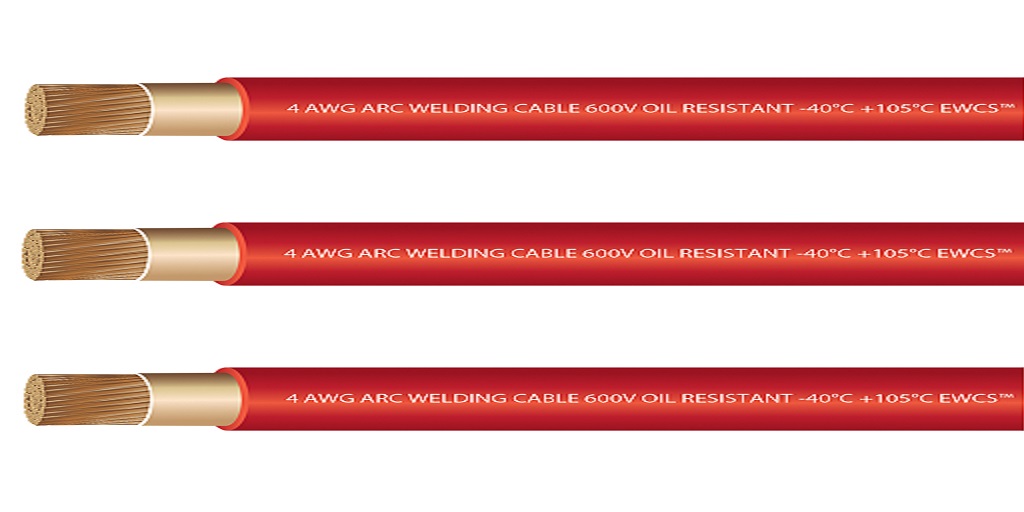
In some cases, some specialty wire will warrant a high conductor count, such as in the case of welding cable and marine electrical cable.
The higher the conductor count, the thinner each individual constituent conductor must be in order to maintain the gauge. Therefore, the wire remains more flexible, even as the gauge increases.
Voltage Rating
Voltage rating, which is largely a product of wire gauge and conductor material, is an indicator of what voltage load (and by extension, current) the wire or cable can accommodate without overheating or arcing. It is one of the most important indicators of an electrical wire’s or cable’s fitness for a given job.
Never install a wire in a circuit in which there is a risk of exceeding the voltage rating. Using an inappropriately-rated wire produces a high risk of insulator breakdown, arcing, fire, electrical shock and worse.
Insulation Material
An electrical wire’s insulation will also give an indication of its fitness for a given job. Common insulation materials include EPDM and nylon, but there are many others, including PE, PP, and XLPE (cross-linked polyethylene) among others.
Some insulators are not only good at lessening the risk of electrical shock (or of protecting against EMI) but also are resilient in the face of weather, sunlight, acids, alkali materials, oil, gas, abrasion, and other environmental stressors and aggravators.
Insulation Color
The insulation color doesn’t directly indicate the qualities of the wire, necessarily – however, there are conventions that electricians typically follow with respect to what insulation color they use for a specific job.
For instance, red wires are typically used as the positive leads for a battery, and black for negative battery leads. Black wires are also used as “hot” leads in circuits, whereas white insulation is typically used for the neutral lead. Bare copper wire and green wire are often used as grounds.
There are other conventions followed with respect to wire insulation and color-coding, so it is helpful to know what they are before buying.
Where to Learn More About Electrical Wire and Cable
Interested in learning more about electrical wire and cable, and about the specialty types of wire and cable that exist? Visit EWCS Wire or get in touch with them directly at Sales@EWCSWire.com or by phone at 800-262-1598 – they’ll be more than happy to help.