Mold growth on plastic surfaces can be persistent and difficult, but with the right approach, it is possible to eliminate it effectively. Since plastic is non-porous, mold primarily grows on its surface rather than penetrating deeply. Regular cleaning and treatment are essential to ensure that mold does not return.
But there is a proper process to remove mold from plastic surfaces, such as washing machine covers, vehicle parts, and HVAC units.
Mold Removal Process for Plastic Surfaces
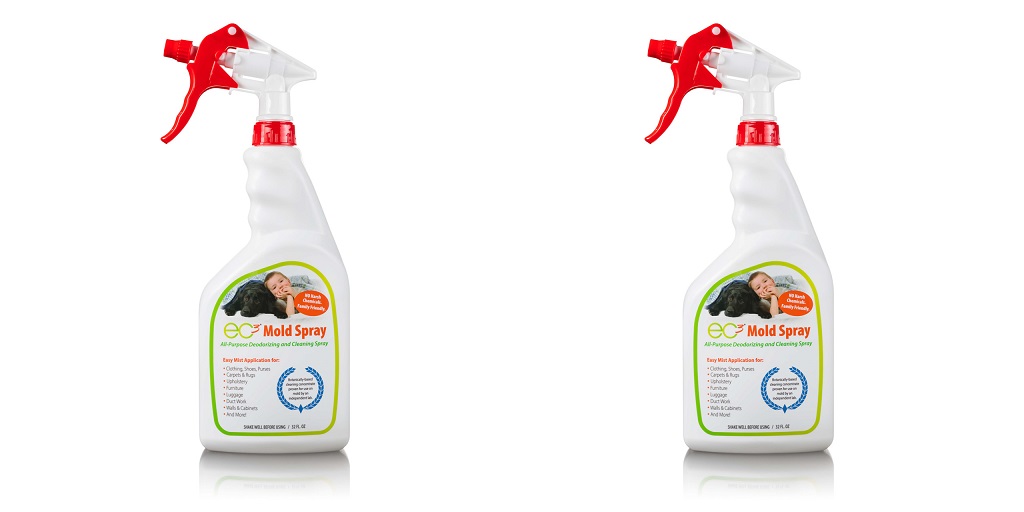
Proper application of the mold treatment spray is key to its success. First, you need to adjust the mold sprayer nozzle to allow for varying degrees of coverage, from a wide mist for large areas to a concentrated stream for precise application.
This adaptability makes it easier to treat not only plastic surfaces but also surrounding materials that might contribute to mold spread. The treatment is also useful for vehicles and air conditioning systems, where mold can thrive unnoticed and circulate throughout the indoor environment.
Use a Mold Sprayer for Misting
To begin with, misting the affected plastic surfaces with a specialized mold treatment spray is a crucial step in eliminating mold spores. A product designed for mold removal, such as EC3 Mold Solution Concentrate, should be applied evenly, ensuring complete coverage.
Once the surface has been treated, allowing it to air-dry maximizes the spray’s effectiveness. Regular application, at least once a week, is recommended, particularly if mold levels in the environment remain high.
Get Rid of Heavily Contaminated Plastic Objects or Surfaces
While mold sprays are effective in killing mold, heavily contaminated plastic objects may need to be discarded. If mold has covered a large portion of an item and has been left untreated for a prolonged period, removal efforts may be insufficient, making disposal the safest option.
However, for items that can be salvaged, you need additional cleaning steps to make sure the object is completely clean and disinfected. A cleaning solution can be prepared by mixing warm water with a suitable detergent.
Soak Removable Plastic Items in a Detergent Solution
For removable plastic items, submerging them in the cleaning solution for about five minutes helps loosen mold growth. If submersion is not possible, applying the mold solution using a microfiber cloth is an effective alternative.
After soaking, scrubbing the plastic surface with a damp cloth or a small bristle brush ensures that mold is fully removed. Brushes are particularly useful for reaching tight spaces and grooves where mold can accumulate.
Rinsing the cleaned plastic surface with warm water removes any remaining mold residue. A final wipe with a damp microfiber cloth helps ensure a thorough clean.
Air Dry the Plastic Items
After completing the cleaning process, allowing the plastic to air-dry is essential in preventing moisture buildup, which could encourage mold regrowth. To maintain a mold-free environment, repeating the cleaning process every few months may be necessary, especially in humid conditions where mold thrives.
It is important to note that certain delicate plastic surfaces, such as those on fine furniture, require special handling. Direct application of mold treatment spray may cause water stains, so it is recommended to mist the surface lightly and wipe it off after a short period to prevent potential damage.
A Mold Sprayer Makes Cleaning Plastics Easier
These steps can help maintain your plastic surfaces and ensure they remain clean and free of mold. Using the right mold sprays, combined with thorough cleaning techniques, ensures that mold does not take hold and spread within the home.
Plastic surfaces need the same cleaning treatments as any surface, however, you need to keep them free from excess moisture to prevent mold formation on plastic surfaces inside machines, vehicles, and other tools or appliances.