Most restaurants and grocers hate waste—but still throw away more food than they’d like to admit. Not because they don’t care. Usually because they don’t know where it’s supposed to go, or they assume food donation is too complicated to deal with.
Food rescue cuts through that. It’s not about dumping leftovers. It’s about taking perfectly good food—overstocked, short-dated, or unsellable for cosmetic reasons—and getting it to people who need it. And organizations like Philabundance make that a lot easier than most businesses realize.
Here’s what you need to know.
The Financial and Ethical Case for Donating Surplus Food
Start with the obvious: food that’s tossed is food you already paid for. It’s sunk cost. And then you’re paying again to get it hauled away. That’s money out the door twice.
Donating cuts disposal costs and can qualify your business for tax deductions. But more than that—it builds trust. People are paying attention to what businesses do when no one’s watching. If your brand claims to care about community but lets good food go to waste, there’s a disconnect. Food rescue aligns your operations with the values you probably already believe in.
What the Law Actually Says
Let’s clear this up: you can donate food safely, and the law protects you when you do it right.
The Bill Emerson Good Samaritan Act covers businesses that donate food in good faith to nonprofits. That includes grocers, restaurants, caterers, food producers—if you’re handing off safe-to-eat food to a legitimate hunger relief group, you’re protected from liability.
Philabundance doesn’t wing it when it comes to food safety. Their team follows food handling rules to the letter, and they’ll walk you through exactly what they can and can’t accept. So if legal concerns are holding you back, you’re worrying about the wrong thing.
How Philabundance Makes Donations Easy
You don’t need a warehouse or a second kitchen to participate in food rescue. You just need a reliable partner. That’s where Philabundance comes in.
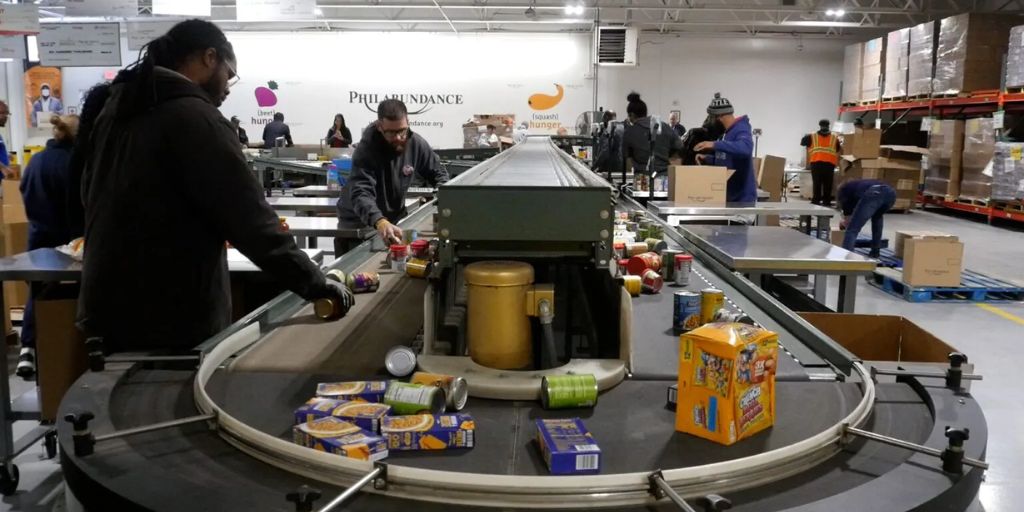
They don’t just collect food. They move it—fast. Since they’re both a direct food provider and the backbone of a larger regional distribution system, they’re set up to get rescued food into the hands of community partners, shelters, and pantries quickly.
They’ll help you figure out what’s viable to donate, offer flexible pickup or drop-off options, and ensure that perishable food stays within the cold chain. You don’t have to become a logistics expert—they already are.
And if you’re unsure where to begin, their donation form is the simplest starting point.
How Local Businesses Are Rescuing Food at Scale
This isn’t theoretical. Businesses in the region are already doing it—and doing it well.
Grocery stores with inventory overflow are donating produce and refrigerated goods several times a week. Event caterers are working Philabundance into their post-event routines. Restaurants—especially those rotating menus—are handing off bulk items they can’t repurpose before spoilage.
They’re not waiting for a quarterly report to take action. They’re building food rescue into regular operations. Quietly, consistently, and without a big show.
And yes, those efforts help fight hunger. But they also build stronger community ties, lighten operational waste, and turn ethical intent into real action.
You don’t need to overhaul your entire supply chain to start rescuing food. You just need to stop thinking of surplus as waste—and start treating it as a resource. Philabundance makes that shift easy for businesses that are serious about doing the right thing.
If your back-of-house or backroom is producing food you can’t sell but wouldn’t hesitate to serve, it’s worth asking: who else could use it? Donate to Philabundance today and find out how your next surplus could feed more than your trash bin.
For more information about End Of Year Giving Please Visit : Philabundance