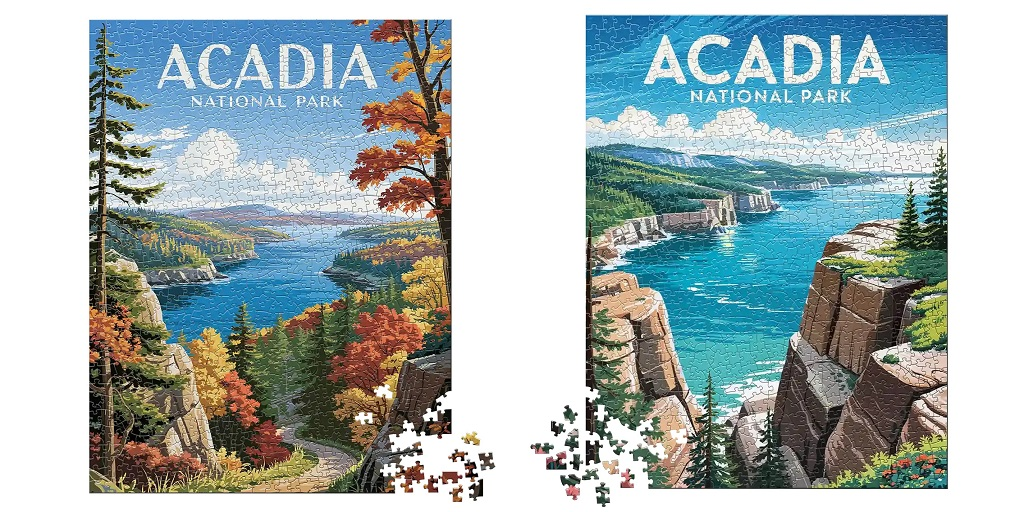
It’s not every day that learning feels like an adventure — unless you bring the outdoors inside. Teachers looking for new ways to engage students beyond screens are rediscovering something simple yet surprisingly powerful: a national parks puzzle. They’re not just fun brain breaks; they’re teaching tools disguised as play.
Learning Through Landscapes
Think of the classic classroom map — now imagine it in puzzle form. Each piece of a national park puzzle represents a region, a climate, or a habitat. As students connect the pieces, they’re also connecting dots between geography, ecology, and art. It’s a tactile way to learn how vast and varied the U.S. landscape truly is.
When assembling a Yellowstone or Yosemite puzzle, students get more than scenery. They see geothermal wonders, mountain formations, and the habitats of animals they’ve only read about. A teacher can easily turn it into a visual storytelling lesson — “What animals live near this geyser?” or “How does this mountain range affect the weather?” Suddenly, Earth science feels like a game.
History and Conservation in Every Piece
Beyond the visuals, puzzles open doors to conversations about history and conservation. Many national parks were established to protect endangered species and preserve cultural landmarks. As students build the Grand Canyon or Great Smoky Mountains piece by piece, they learn about the people who fought to keep those landscapes untouched — from Indigenous tribes to early park advocates.
This hands-on approach builds environmental literacy without heavy lectures. Teachers can integrate short research sessions where students choose a park featured in the puzzle, learn a fact about it, and share it with the class. Before long, they’re building not just the puzzle — but awareness and curiosity.
Collaboration That Comes Naturally
In group settings, national park puzzles encourage teamwork and communication. Every student has a role to play — from organizing edge pieces to spotting color patterns — mirroring how park rangers, scientists, and volunteers collaborate in the real world.
In classrooms where teamwork can be tricky, puzzles act as a natural icebreaker. It’s inclusive and calming, giving quieter students space to contribute while helping others learn patience and focus. When the final piece clicks, it’s not just a completed puzzle — it’s shared accomplishment.
Mindfulness Meets Education
Educators are increasingly weaving mindfulness into their lesson plans, and puzzles fit right in. Working on a puzzle helps students manage stress and improve concentration. The slow, deliberate process of sorting and connecting pieces mirrors the mindfulness techniques often encouraged in school wellness programs.
Pair that with the serene imagery of a national park, and you’ve got a moment of calm built right into the school day — no app required.
From Classroom to Keepsake
Once finished, these puzzles can be framed and displayed as classroom art or part of a geography wall. Each one becomes a visual reminder of teamwork, patience, and curiosity — the kind of learning that sticks.
National park puzzles aren’t just about piecing together nature scenes; they’re about piecing together lessons that last. In an age where attention is fleeting, a puzzle invites students to slow down, stay curious, and see the world — one piece at a time.
Ready to turn a lesson into an adventure? Explore the full National Parks Puzzle Series to find durable, educational designs perfect for your classroom or homeschool curriculum today.