When upgrading or restoring a vehicle’s audio system, one of the first challenges many car owners face is understanding stereo sizing standards. While single DIN and double DIN stereos are widely discussed, there is another format that often causes confusion, especially for owners of older cars and trucks. This format is known as the din and a half car stereo. Understanding what it is, why it exists, and how it affects aftermarket upgrades can save time, money, and frustration.
Understanding DIN Standards
DIN refers to a standardized measurement system originally established by the Deutsches Institut für Normung. In car audio, DIN standards define the height and width of head units so manufacturers and installers can ensure compatibility across vehicles.
A single DIN stereo measures approximately 2 inches tall and 7 inches wide. A double DIN stereo doubles that height to roughly 4 inches while keeping the same width. These two formats dominate the modern aftermarket, making it relatively easy to find compatible stereos, dash kits, and accessories.
However, many vehicles built in the late 1980s, 1990s, and early 2000s did not conform strictly to these sizes. Automakers often used non standard openings to accommodate factory radios with unique designs. That is where the din and a half car stereo comes into play.
What Is a Din and a Half Car Stereo
A din and a half car stereo, often referred to as 1.5 DIN, sits between single DIN and double DIN in height. It is taller than a single DIN unit but shorter than a double DIN unit. While the width remains consistent with other DIN formats, the increased height allowed manufacturers to include larger displays, more physical buttons, or integrated climate controls in factory radios.
This size was especially common in older GM, Ford, and import vehicles where the factory radio filled a uniquely shaped dash opening. Because 1.5 DIN is not a true international standard like single or double DIN, it has become increasingly rare in modern aftermarket head units.
Common Vehicles That Use Din and a Half Openings
Many trucks and SUVs from the 1990s are well known for using 1.5 DIN radios. Certain Chevrolet and GMC models, older Ford trucks, and some imports used this size extensively. These vehicles often remain on the road today, either as daily drivers or restoration projects, which keeps demand for proper solutions alive.
Owners of these vehicles often want modern features like Bluetooth connectivity, touchscreen navigation, or improved sound quality without sacrificing the original look of the dash. That balance can be difficult to achieve without a purpose built solution.
Installation Options and Best Practices
There are generally three ways to approach upgrading a vehicle with a din and a half car stereo opening. The first is installing a single DIN unit with a filler pocket. This is cost effective and simple but may not provide the aesthetic many owners want.
The second option is modifying the dash to fit a double DIN stereo. While this allows for larger screens and more features, it is usually irreversible and can reduce the value of older vehicles.
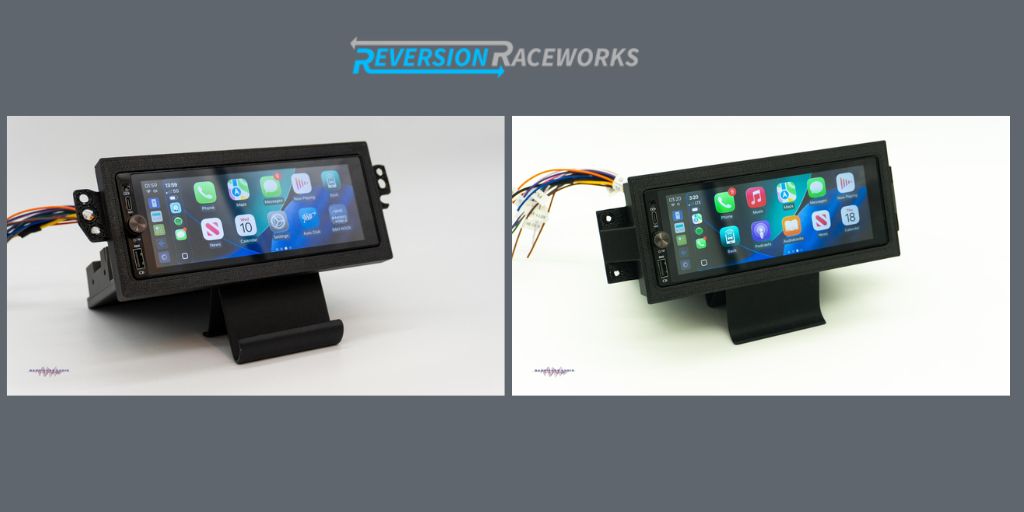
The third and most refined option is using a dedicated 1.5 DIN dash kit designed to adapt modern stereos cleanly into the factory opening. These kits ensure proper alignment, structural support, and a factory style appearance.
How Reversion Raceworks Solves the Problem
For owners of older vehicles, Reversion Raceworks offers a practical and high quality solution. They specialize in custom and ready made 1.5 DIN kits designed specifically for vehicles that originally used this unique radio size. Their kits allow modern head units to be installed cleanly without cutting or damaging the original dash.
Reversion Raceworks understands that enthusiasts value both performance and appearance. Their 1.5 DIN solutions are designed to look intentional, not improvised, making them ideal for restorations, restomods, and daily driven classics. By offering a variety of 1.5 DIN kits for older vehicles, Reversion Raceworks helps bridge the gap between outdated factory designs and modern car audio technology.
For more information about 3d Printed Car Parts and 300zx Dash Please Visit : Reversion Raceworks.