Reverse osmosis, also commonly known as RO, is one of the most effective commercially available means of water filtration and purification, as it is highly effective at removing a wide range of contaminants, both chemical and biological.
But how does reverse osmosis work, and what does it remove, specifically? This short post will demystify some aspects of this unique and highly effective filtration method.
The Process of RO Filtration
To keep things as simple as possible a reverse osmosis water filter works by forcing water across a semi-permeable membrane.
In other words, reverse osmosis water filters have a membrane with very small pores, so small that effectively only water molecules can pass through to one side. It’s not just moving water through a physical filter, however, as in the case of mechanical water filtration. Reverse osmosis requires greater pressure to force the water across the membrane, and is far more effective than conventional means of mechanical filtration at removing impurities.
This process of forcing only water molecules across the membrane leaves effectively all other contaminants, including very small dissolved molecules, on the other side, and makes RO water filtration one of the most complete and effective methods of water filtration, removing, in some instances, up to 99.99% of contaminants.
What Does a Reverse Osmosis Water Filter Remove?
Naturally reverse osmosis water filtration systems remove all particulate matter and sediment that are large enough for the naked eye to see. This includes sand, rust, sediment, and all other particulate solids.
However, the much finer pores of the membrane used in reverse osmosis are also highly effective at removing much smaller contaminants and even dissolved pollutants. Consequently, RO filters can remove dissolved chlorine and chloramines, along with other contaminants that cause turbidity and unpleasant tastes and odors.
Reverse osmosis water filters also remove microplastics, fluorides, nitrates, heavy metals, the minerals that cause scale, and 99% of other dissolved solids.
Importantly, reverse osmosis is also highly effective at removing biological contaminants such as viruses, bacteria, protozoans, and parasitic cysts, all of which are too large to pass through the membranes used in RO filtration.
This makes reverse osmosis water filters among the most effective types of filters for removing basically all classes of contaminants, chemical, biological, and physical, from a water supply.
Can You Get a Reverse Osmosis Water Filter for Your Home?
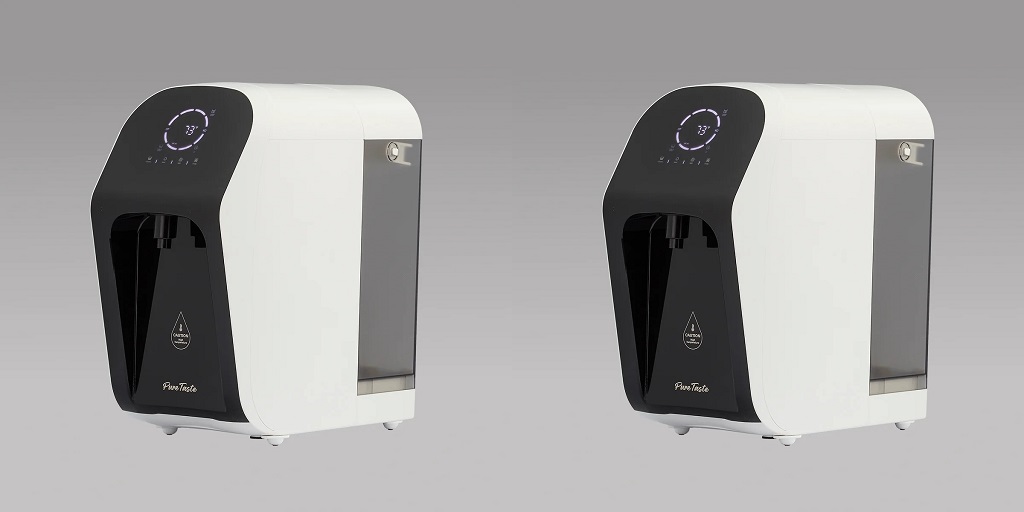
Yes, actually. While RO filtration is often used at industrial scales to purify water by eliminating contaminants that are hard to remove, like dissolved salt, there are also reverse osmosis water filtration systems that you can buy for your home, many of which are perfect for residential use and surprisingly easy to install.
Combining RO with Other Filtration and Sterilization Methods for Improved Sanitation
As effective as RO is, many reverse osmosis water filter systems do not rely on RO alone to remove contaminants. Some home water filter systems combine UV sterilization, ion exchange filtration, and activated charcoal filtration to act as additional safeguards, ensuring that as many contaminants are removed as possible.
If you’re here because you’re interested in adding a filtration system to your home’s water supply, visit Nature’s Air and Water. They carry a variety of home water filter systems and some of them incorporate reverse osmosis into the system.
You can learn more on their website or contact them for details about their systems, installation, and more.