When creating custom enamel pins, one of the most important decisions you will make is choosing between soft enamel and hard enamel. Both options are popular, durable, and visually appealing, but they offer different looks, textures, and use cases. Understanding the differences between soft enamel vs hard enamel pins will help you choose the right style for your design, budget, and intended purpose.
What Are Soft Enamel Pins
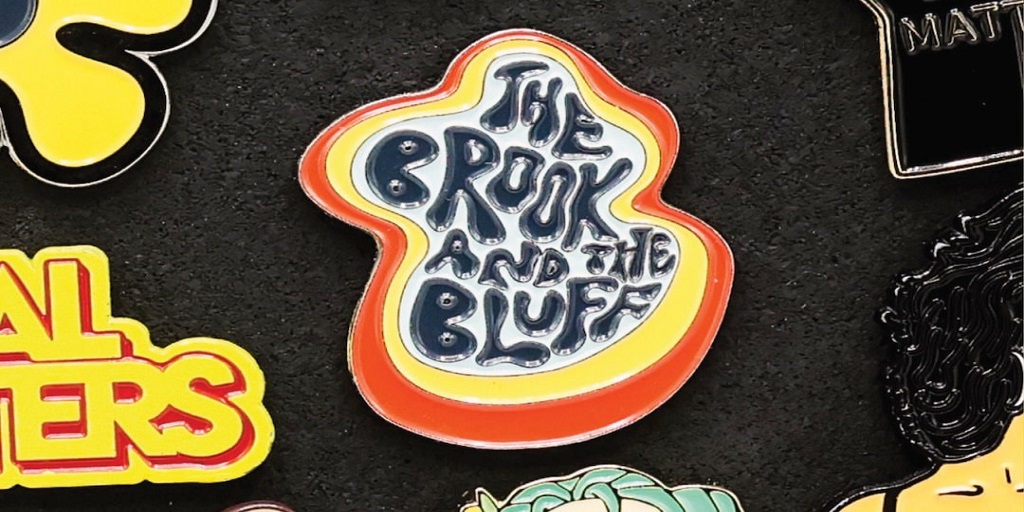
Soft enamel pins are the most common type of custom enamel pins. They are made by stamping a metal base, raising the metal lines, and filling the recessed areas with colored enamel. After the enamel is added, the pin is cured, but the enamel remains slightly recessed below the metal outlines.
This creates a textured surface where you can feel the raised metal edges and recessed color areas. Soft enamel pins often have a more dimensional and bold look, which makes them ideal for detailed artwork and designs with multiple colors.
Soft enamel pins are a popular choice for brands, artists, and organizations because they are cost effective and versatile. They work well for promotional giveaways, retail merchandise, event swag, and collector pins.
What Are Hard Enamel Pins
Hard enamel pins, sometimes referred to as cloisonné style pins, go through an additional polishing process. After the enamel is filled, it is polished down until the enamel and metal lines are completely smooth and level with each other.
The result is a flat, glass like surface that feels sleek and refined. Hard enamel pins tend to have a more premium appearance and are often used for professional branding, corporate gifts, and high end merchandise.
Because of the extra steps involved in production, hard enamel pins typically cost more than soft enamel pins. However, many brands feel the added cost is worth it for the clean and polished finish.
Visual Differences Between Soft and Hard Enamel Pins
The most noticeable difference between soft enamel and hard enamel pins is texture. Soft enamel pins have recessed color areas and raised metal lines that you can feel when you run your finger across the surface. This gives them a bold, handcrafted look that works well for playful or artistic designs.
Hard enamel pins are completely smooth, with no texture between colors and metal. The polished surface reflects light evenly and gives off a more elegant appearance. If you want your pin to look sleek, professional, or minimalist, hard enamel is often the better choice.
Color can also appear slightly different. Soft enamel pins may show deeper color variation because of the recessed fill, while hard enamel pins tend to look more uniform due to the smooth surface.
Durability and Wear
Both soft enamel and hard enamel pins are durable and designed to last. However, hard enamel pins are generally more resistant to scratches because of their polished surface. This makes them ideal for pins that will be worn daily or used as long term keepsakes.
Soft enamel pins are still very durable, especially when plated with high quality metal finishes like nickel or black nickel. They may show minor wear over time, but many people appreciate the character that develops with use.
Which One Should You Choose
Choosing between soft enamel vs hard enamel pins comes down to your design goals. If you want a bold, textured look with flexibility in color and detail, soft enamel pins are a strong choice. If you want a smooth, polished finish that feels premium and refined, hard enamel pins are likely the better fit.
Both styles offer excellent quality and visual impact. By considering your budget, audience, and brand image, you can confidently choose the enamel pin style that brings your custom design to life.