Choosing a homeschool biology curriculum is a significant milestone in any homeschooling journey. For many parents, the thought of teaching complex biological processes can feel overwhelming.
Biology is the study of life itself, extending far beyond textbook definitions to encompass everything from microscopic organisms in a pond to the intricate systems within the human body. To truly engage students, science needs to be actively felt, seen, and experienced.
Why Biology Should Go Beyond Textbooks
While a solid textbook provides the necessary vocabulary and theoretical framework, biology is a “living” science. If a student only reads about cellular division or plant anatomy, they are missing out on the wonder of discovery. Learning is most effective when it moves from the page to the real world.
Transform your kitchen table into a laboratory by incorporating hands-on elements into your homeschool biology curriculum. This approach fosters critical thinking and cultivates a genuine love for scientific inquiry.
Furthermore, engaging in these tangible activities cultivates a deep, intrinsic love for scientific inquiry. When a student can observe a cell under a microscope they assembled or witness fermentation firsthand, the subject matter becomes personal, exciting, and relevant. This connection can inspire the next generation of scientists, researchers, and scientifically informed citizens.
Bringing the Lab to Your Home
You don’t need a professional lab to provide a high-quality science education. You can create an immersive environment by integrating specific tools that can unite theory and reality.
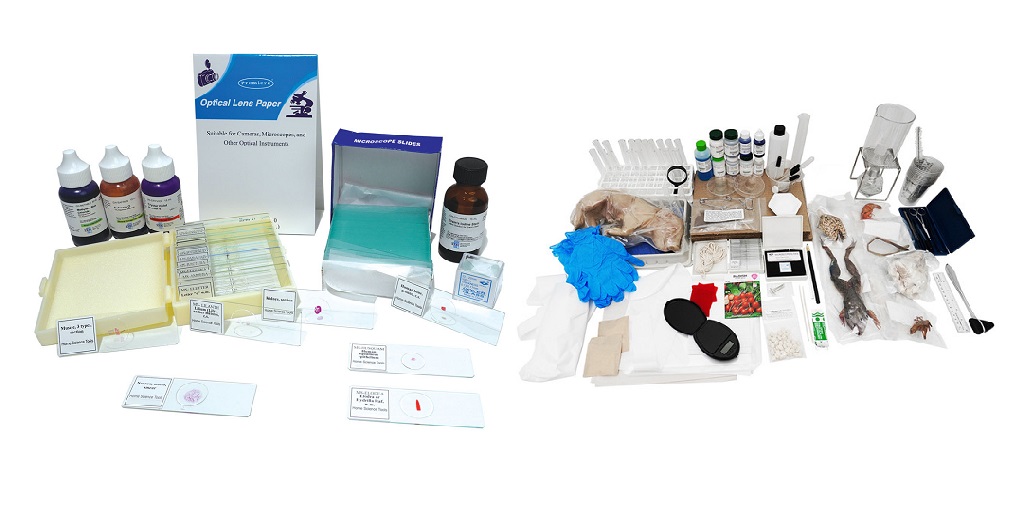
- Microscopes: There is a profound shift in a student’s understanding when they move from looking at a diagram of a cell to seeing one for the first time. Using microscopes allows students to explore the invisible world. Utilizing professionally prepared microscope slides ensures they can study clear, accurate examples of bacteria, plant tissues, and blood cells, making the abstract suddenly very real.
- Science lab kits: One of the biggest hurdles for homeschooling parents is gathering materials for experiments. Comprehensive science lab kits take the guesswork out of the process. They provide organized, pre-measured components for experiments, ensuring that your focus remains on teaching rather than hunting for supplies.
- Dissection: While it may seem daunting, dissection is an incomparable way to study anatomy. It provides a tactile understanding of how organs fit together and function within a living system—a level of detail that even the best 3D animations cannot fully replicate.
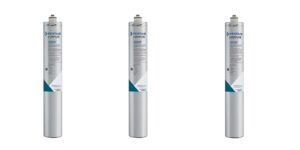
- Environmental study: Biology is deeply connected to our environment. Exploring water treatment processes or testing local water quality helps students understand the practical application of biology in public health and ecology. It shows them that science is happening right now in their own community.
Sparking Early Interest in Science
A truly successful homeschool biology curriculum goes beyond merely fulfilling a requirement. It maintains the original tone and instills a deep sense of curiosity, leaving the student to ponder the underlying principles long after the specific lesson has concluded.
Equipping your child with tools beyond the textbook—such as microscopes, dissection kits, and science lab materials—does more than impart knowledge—it cultivates a scientific mindset. This hands-on approach teaches them crucial skills: close observation, careful analysis, and a profound appreciation for the stunning intricacy of life on our planet.
Transform abstract concepts into tangible discoveries by providing tools for exploration, such as:
- Microscopic exploration: Delve into the tiny, unseen world.
- Engaging dissection experiences: Understand complex anatomy hands-on.
- Real-world lab kits: Grasp practical applications with topics like water treatment.
These tools are essential for making science a real and compelling adventure. To explore a wide range of these high-quality resources and equip your homeschooling journey, visit Home Science Tools.