Welcoming a new addition to the family is doubtlessly a joy-filled journey. Unfortunately, it inevitably also comes with a lot of sleepless nights–at least until your baby learns how to sleep through them.
Fortunately, it doesn’t have to be a never-ending struggle. Getting your baby to sleep better doesn’t have to be a dream, as long as you employ the right strategies. Read on below for a few expert-backed tips that will help both you and your little one enjoy more peaceful nights:
1. Create a Soothing Bedtime Routine
Babies thrive on consistency and predictability, so a calming pre-sleep ritual can work wonders. Start with activities that signal the approaching bedtime, such as a warm bath, gentle massage, or a lullaby.
The Science Behind It
Experts suggest that a bedtime routine helps babies understand when it’s time to sleep, regulating their internal body clock. This routine should ideally take place in the same order and at the same time each night, which helps set their circadian rhythm, making it easier for your baby to fall asleep and stay asleep for longer stretches.
2. Maintain a Consistent Sleep Environment
Your baby’s sleep environment plays a pivotal role in their ability to sleep soundly. Their sleeping area should be both safe and comfortable: for best results, the room should be kept dark, quiet, and at a comfortable temperature. Blackout curtains are a great way to block out external light, especially during the daytime. White noise machines can also help by drowning out any disruptive sounds.
The Science Behind It
According to research, babies who sleep in a consistent environment tend to have more restful sleep. This is because a stable sleep environment helps signal to your baby’s brain that it’s time to rest. Parents can set the stage for better sleep by minimizing external disturbances and providing comfort.
3. Use a Baby Sleep Sack
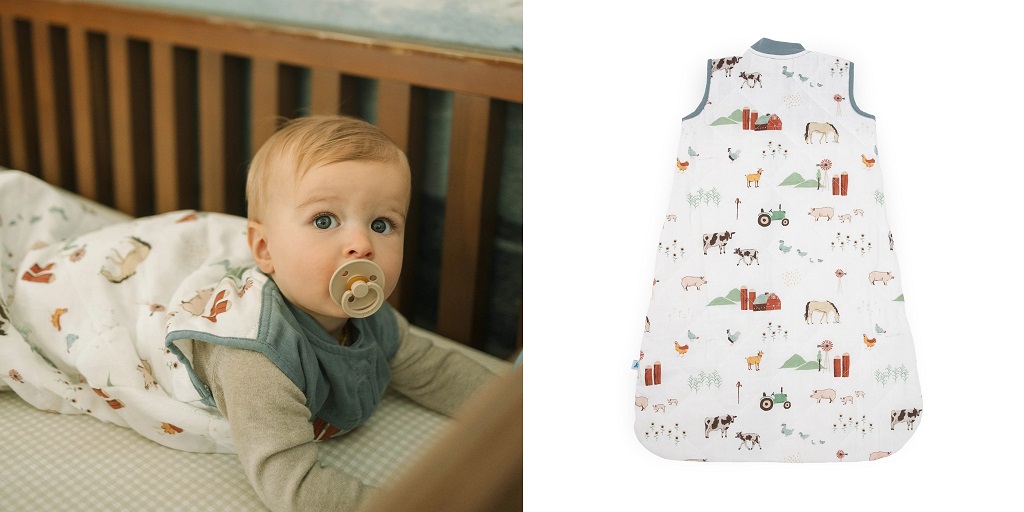
A baby sleep sack, just like the ones sold on Little Unicorn, can be an excellent addition to your baby’s sleep routine.
Unlike traditional blankets, a baby sleep sack does not pose any suffocation risk to your baby: they’re designed to wrap snugly and securely around your baby’s body while ensuring that their face remains unobstructed as they sleep. The ones sold by Little Unicorn are made out of soft and cozy cotton muslin, a breathable material that still provides optimal temperature regulation.
The Science Behind It
Sleep sacks greatly reduce the risk of your baby getting tangled in blankets or pulling them over their face, which can lead to breathing difficulties. They also allow for freedom of movement while keeping your baby comfortably covered, promoting better sleep.
4. Understand Your Baby’s Sleep Cues
Babies often give subtle cues when they’re tired, and recognizing these signals can be a game-changer. Common cues include rubbing their eyes, yawning, fussiness, or becoming less engaged with their surroundings. By paying close attention to these signs, you can put your baby down to sleep before they become overtired. This makes it easier for them to fall asleep and stay asleep.
The Science Behind It
Understanding your baby’s sleep cues helps you align your baby’s sleep schedule with their natural sleep-wake patterns. This, in turn, makes for deeper and more restorative sleep cycles for your little one, resulting in better sleep quality.
5. Be Patient and Consistent
Last but certainly not least, being patient and consistent is crucial when it comes to improving your baby’s sleep. Babies often go through sleep regressions and developmental milestones that can disrupt their sleep patterns. It’s crucial to remain patient during these phases and stick to your established routine. Remember that this too shall pass.
The Science Behind It
Research on infant sleep patterns has shown that babies benefit from consistent caregiving and routines. Being patient during challenging sleep phases allows your baby to develop better sleep habits in the long run. Consistency provides the stability they need to establish healthy sleep patterns.
By implementing these five expert-backed tips, you can create a peaceful and restful sleep environment for your little one. Remember, every baby is unique, and what works best may vary from child to child. So, be flexible, adapt as needed, and enjoy those precious moments of peaceful slumber with your bundle of joy.