When it comes to reliable foundations in areas that experience cold climates, choosing the right foundation method is crucial. Helical piles have become a popular solution in construction, offering efficiency and durability. But do these screw-like piles perform well when faced with harsh weather conditions, such as freezing temperatures, frost heave, and thaw cycles? Let’s explore how helical piles stand up to cold climates and why they are an excellent foundation choice for areas prone to extreme weather.
What Makes Helical Piles a Reliable Option?
Helical piles, often driven deep into the ground using a helical pile driver, offer a robust and stable foundation. These piles are screwed into the earth until they reach stable soil layers, bypassing loose or weak soil near the surface. Their helical design ensures that they distribute weight efficiently and remain secure even when environmental conditions shift.
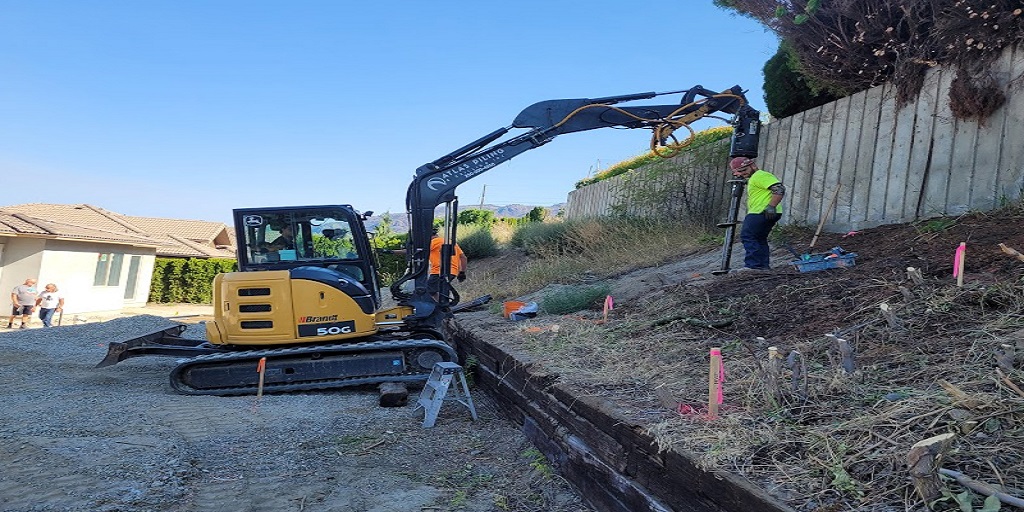
The installation process, performed using a helical pile driver, minimizes disruption to surrounding soil. This precision helps avoid disturbances that could later result in foundation instability during freeze-thaw cycles. Additionally, the torque applied by the driver ensures that each pile achieves the desired depth and bearing capacity, which is especially important in areas with challenging weather conditions.
Resistance to Frost Heave and Ground Shifts
One of the significant concerns in colder climates is frost heave, which occurs when water in the soil freezes, expands, and pushes the ground upward. This upward force can shift or damage traditional concrete foundations. However, helical piles are highly effective in mitigating this issue.
Because they are installed below the frost line, helical piles anchor into layers of stable soil that are not affected by seasonal freezing. The unique shape of the helical plates also minimizes upward pressure caused by frost, ensuring the foundation remains undisturbed. A helical pile driver allows for precise placement, driving the pile deep enough to resist movement even under severe weather conditions.
Helical Piles and the Freeze-Thaw Cycle
The freeze-thaw cycle can present challenges to many construction materials, as it causes soil expansion and contraction. Fortunately, helical piles are designed to withstand these repeated stresses. Their ability to maintain stability during these cycles makes them an ideal choice for projects that require long-lasting foundations, such as residential structures, decks, and commercial buildings.
Unlike concrete, which can crack or degrade over time due to moisture exposure, helical piles are typically made from steel and are often coated for corrosion resistance. This ensures they can endure years of exposure to harsh elements without compromising the structure they support.
Easy Installation Year-Round
Another advantage of helical piles is their ability to be installed in almost any season. Whether the ground is frozen or not, installation crews can use a helical pile driver to quickly and efficiently secure the piles to the appropriate depth. This flexibility allows projects to proceed on schedule, even during colder months when other foundation methods might be delayed by unfavorable weather.
In addition, helical pile installation generates minimal noise and vibrations, which reduces site disruptions. This feature makes them a preferred solution for residential areas and environmentally sensitive projects where noise control and soil conservation are priorities.
Whether for residential, commercial, or infrastructure projects, helical piles provide a stable and resilient foundation that stands the test of time. Their adaptability and reliability make them a preferred choice for regions that experience extreme temperatures and harsh winters.