Electrical wire and cable exhibit a great deal of differences in their makeup, insulation, and special characteristics that make them suitable (or not suitable) for specific installations and applications.
This short post should help answer some common questions.
What Are the Most Common Types of Electrical Wire and Cable?
● Building wire: Most standard building wire and cable is 600 volt wire or cable bundled in a thermoplastic or metal sheath, used for new circuits or to extend old circuits.
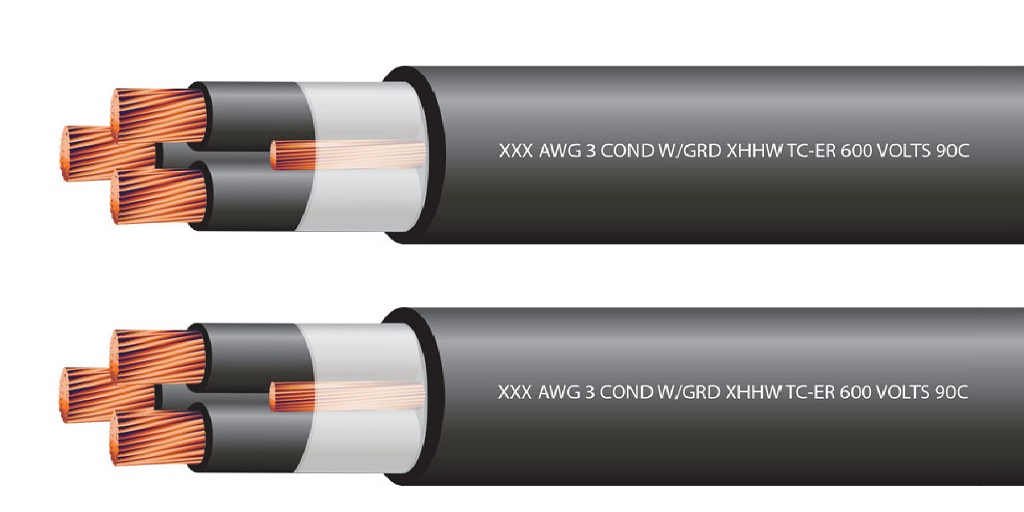
● Tray cable: Tray cable is a special class of cable intended to be laid along cable trays, instead of through conduits.
● Welding cable: This is a highly flexible type of cable with an abrasion and chemical resistance insulation that is used for welding leads.
● Marine battery cable: A highly flexible specialty cable made of many strands of individually tinned copper conductors used in marine applications.
● Photovoltaic cable: A weather and UV-resistant class of cable specifically designed for wiring solar panel arrays.
● UF cable: This is “underground feeder” cable and is used for in-ground installation in damp areas.
● NM cable: Non-metallic cable that has a thermoplastic sheath, often used in indoor residential wiring.
● Coaxial cable: A special type of instrumentation cable used to carry television signals, sometimes also referred to as coax.
What Are the Most Common Types of Wire Insulation?
● Polyvinyl chloride (PVC): Affordable, relatively durable, and common, often recommended for temperature ranges between -55℃ to 105℃. It offers decent resistance to acids, alkali materials, solvents, oil, flame, moisture, and oxidation.
● Polyethylene (PE): Affordable, but hard and inflexible, PE is often used in coaxial cables. It offers decent resistance to oxidation, low temperatures, and weather.
● Polypropylene (PP): This is similar in performance and cost to PE, but with superior resistance to a wider range of temperatures.
● Ethylene Propylene Diene Monomer (EPDM): EPDM is often used in PV cables and welding cable because of its weather and UV-resistance.
● Thermoplastic Rubber: Also known as TPR, thermoplastic rubber insulation is resistant to high heat, weathering, and aging.
● Fluorpolymer: Fluorpolymers are a class of synthetic compounds often used as electrical insulators due to their excellent flexibility, high heat, and flame resistance, as well as to water, oil, and chemicals (depending on the polymer).
● Nylon: Nylon is a common electrical insulator because of its exceptional flexibility and high resistance to abrasion and chemicals.
Why Is 600 Volt Wire So Common?
Building wire, specifically 600 volt building wire, is extremely common in the United States and is used for a wide variety of residential, commercial and industrial applications, including but not limited to installation in conduits, ducts, cable trays, and even in some instances for aerial installation. It is often used for power, control, and lighting. One of the reasons 600 volt wire is a common standard here in the United States is that the U.S. typically uses 110 to 120 volt electrical service, giving 600 volt cable and wire a good operating buffer; it is vital never to exceed the voltage rating of electrical wire or cable as this increases the risk of electrical shock, fire, and more.
Where Can I Get High Quality 600 Volt Wire and Other Forms of Specialty Wire?
You can get high-quality, American-made electrical wire and cable online at EWCS Wire. They sell standard building wire in addition to specialty wire, including but not limited to solar panel cable, marine battery wire, instrumentation and fire alarm cable, welding cable, aluminum cable, tray cable, DLO cable, and submersible pump cable.
They vouch for the quality of their products and offer excellent customer service. Contact them at Sales@EWCSWire.com or at 800-262-1598 if you have any questions.