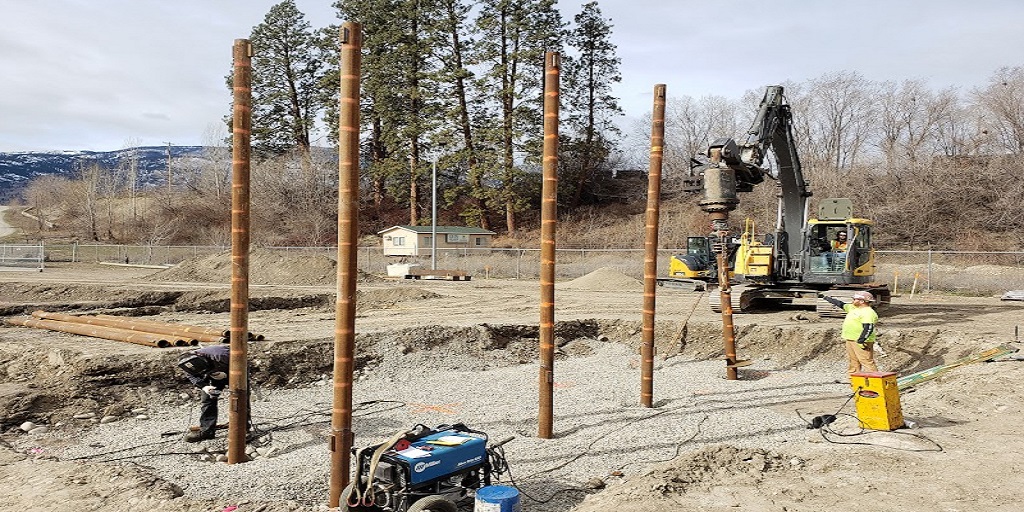
Building on difficult terrain, often referred to as ‘bad ground,’ presents unique challenges for construction projects. These conditions can include soft soils, expansive clays, peat, and high water tables. Without the right foundation, buildings can experience uneven settling, structural damage, and even collapse. This is where helical pile companies come into play, offering innovative solutions to overcome these challenges.
Understanding the Challenges
Difficult ground conditions can complicate traditional foundation methods. These include:
- Soft soils. Soft, compressible soils can lead to uneven settling and instability.
- Expansive clays. These soils expand and contract with moisture changes, causing structural movement.
- High water tables. Areas with high water tables can weaken soil strength, leading to instability.
What is Considered Bad Ground?
Bad ground refers to soil conditions that are unsuitable for traditional foundation methods. These include:
- Peat and organic soils.These soils are highly compressible and can lead to significant settling over time.
- Loose sands. These can shift and move, providing poor support for structures.
- Expansive clays. These soils change volume with moisture content, causing structural movement.
What is Good Ground?
Good ground refers to soil conditions that are stable and provide strong support for foundations. These include:
- Rock. Provides excellent support and stability.
- Dense sands and gravel. These soils offer good drainage and compaction, supporting structures well.
- Stable clays. When dry, certain clays can provide good support, though they must be assessed for moisture content changes.
The Role of Helical Piles
Helical piles are a versatile and effective solution for building on difficult terrain. They are screwed into the ground, reaching depths with more stable soil. Here are some key benefits of helical piles:
- Versatility. Helical piles can be used in a variety of soil conditions, making them ideal for challenging sites.
- Minimal disturbance. The installation process causes minimal disturbance to the surrounding soil, crucial in sensitive environments.
- Quick installation. Helical piles can be installed quickly, reducing project timelines.
Common Construction Challenges and Helical Pile Solutions
In construction, various challenges can arise that impact the project’s timeline and budget. Helical piles provide effective solutions to some of the most common issues:
- Poor communication. Effective communication is crucial for project success. A lack of communication can lead to delays and increased costs. Helical pile companies often excel in clear, timely communication, ensuring that all parties are informed and aligned.
- Delays. Delays can stem from supply issues, weather conditions, and unforeseen ground conditions. Helical piles offer a faster installation process, which can mitigate some of these delays. Additionally, their versatility allows them to adapt to unexpected ground conditions.
- Cost overruns. Poor forecasting and unforeseen expenses can lead to budget overruns. Helical pile companies provide detailed quotes and often offer cost-effective solutions that help maintain budget integrity.
- Unexpected ground conditions. Building on difficult terrain can reveal unforeseen challenges like soft soils or hard rock. Helical piles are adaptable to various ground types and can drill deep into more stable layers, providing a reliable foundation.
Building on challenging terrain doesn’t have to be daunting. Helical pile companies offer innovative, efficient, and reliable solutions for ensuring the stability of structures on difficult ground. Their expertise in site assessment, customized solutions, and adherence to safety standards make them invaluable partners in construction projects. By leveraging the benefits of helical piles, even the most challenging sites can support stable and durable structures. For your next project, consider the advantages that helical pile companies bring to the table, transforming difficult ground into a solid foundation for the future.