When it comes to the installation of helical screw piles, one of the key considerations is whether these piles need to extend below the frost line. This concern is particularly relevant in regions where freezing temperatures can affect the stability and performance of foundations. By examining the implications of frost depth on helical screw piles, we can better understand how to ensure a secure and durable foundation.
Benefits of Helical Screw Piles in Frost Areas
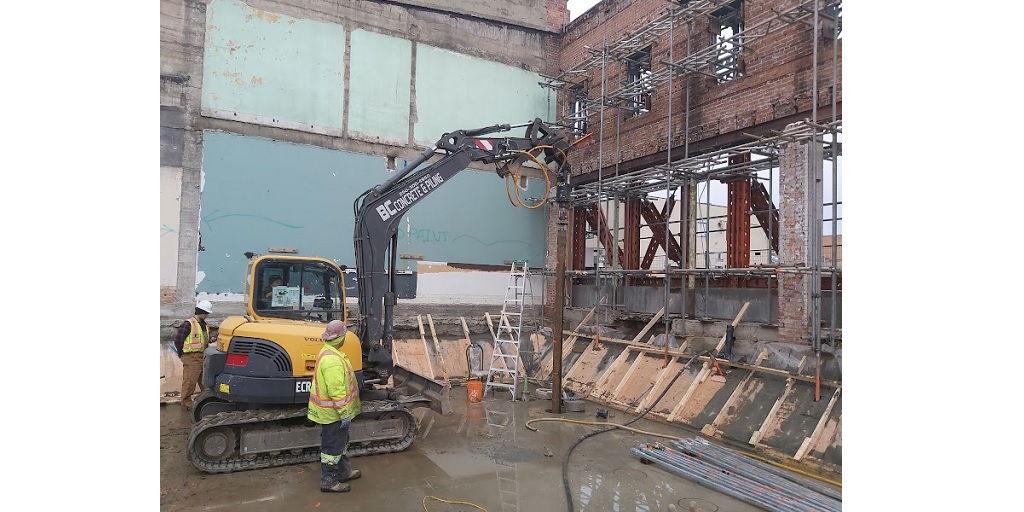
Helical screw piles consist of a steel shaft with one or more helical plates, which are drilled into the ground to provide a stable foundation. Helical screw piles provide several advantages in frost-prone regions. Their rapid installation reduces exposure to varying weather, while minimal soil disturbance helps maintain soil stability. The helical plates distribute loads evenly, mitigating the effects of frost heave by ensuring stability over stable soil layers. Additionally, these piles can be adjusted to adapt to changing soil conditions, enhancing their effectiveness. Overall, helical screw piles offer a reliable and durable foundation solution, minimizing risks associated with frost and ensuring long-term structural stability.
The Impact of Frost on Foundations
In colder climates, the frost line is the depth at which the ground freezes during the winter months. Frost penetration can vary depending on the geographical location and local climate conditions. When the ground freezes, it can lead to soil expansion and contraction, which may cause movement and instability in shallow foundations. This is why the depth of frost penetration is a critical factor to consider when designing and installing foundations.
Do Helical Screw Piles Need to Extend Below the Frost Line?
The answer to this question depends on several factors, including the type of soil, the load-bearing requirements of the structure, and the local frost depth. In general, helical screw piles are designed to be installed deep enough to reach stable soil or rock layers that are unaffected by frost. By extending the piles below the frost line, the risk of frost-related soil movement impacting the foundation is minimized.
In many cases, the helical screw piles are installed to a depth where the soil remains stable throughout the year. This ensures that the foundation remains secure and resilient, even in the presence of seasonal frost. However, it’s essential to conduct a thorough site assessment to determine the appropriate depth for the piles based on the local frost conditions and soil characteristics.
Ensuring Proper Installation
To ensure the helical screw piles are installed correctly and effectively, it is important to work with experienced professionals who understand the nuances of frost depth and foundation design. They can perform soil tests, evaluate frost conditions, and determine the optimal installation depth for the piles. This careful planning and execution help prevent potential issues related to frost heave and maintain the integrity of the foundation over time.
Helical screw piles generally need to extend below the frost line to ensure a stable and durable foundation. By reaching stable soil or rock layers that are unaffected by frost, these piles provide reliable support for various structures. Proper site assessment and installation are crucial to account for local frost conditions and soil characteristics. Working with knowledgeable professionals can help ensure that your foundation remains secure and resilient, even in challenging climatic conditions.