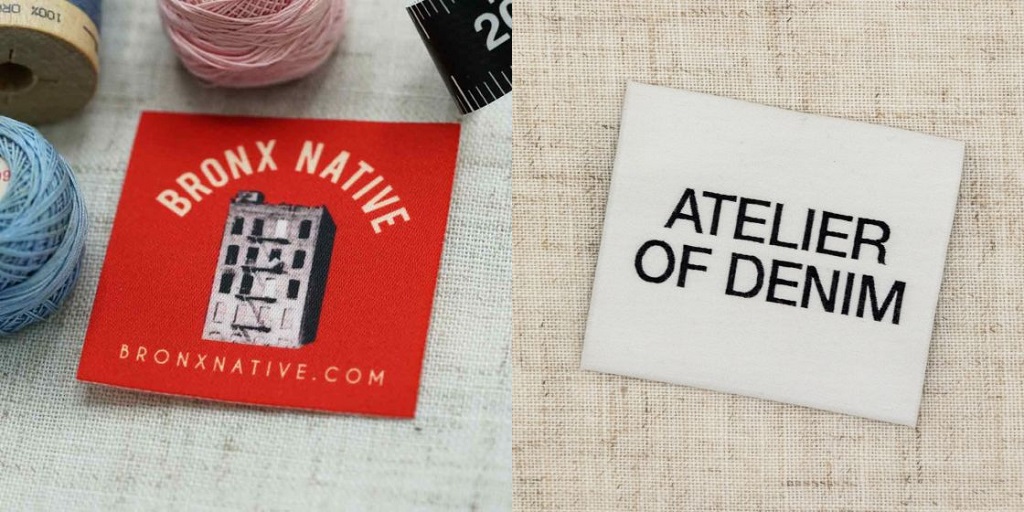
Custom made clothing tags are more than a functional requirement. They are a branding tool that communicates quality, attention to detail, and professionalism. While design and materials matter, the printing method used on custom made clothing tags plays a major role in how the final product looks, feels, and performs over time. Different printing techniques affect durability, legibility, texture, color accuracy, and overall perception of your brand.
Understanding how printing methods impact the quality of custom made clothing tags helps apparel brands make informed decisions that align with their positioning, budget, and customer expectations.
Why Printing Method Matters for Clothing Tags
The printing process determines how ink or pigment interacts with the tag material. This interaction affects whether text fades, edges blur, colors remain consistent, or details stay crisp after repeated handling and washing. Since clothing tags are often exposed to friction, moisture, and heat, the wrong printing method can lead to premature wear that reflects poorly on the brand.
High quality printing ensures that logos, care instructions, sizing information, and brand messaging remain clear throughout the life of the garment.
Screen Printing and Its Impact on Tag Quality
Screen printing is one of the most common methods used for custom made clothing tags. It involves pushing ink through a mesh stencil onto the tag surface.
This method is known for producing bold, opaque colors that stand out well on fabric, paper, or synthetic tag materials. Screen printing offers excellent color saturation and works well for simple designs with solid shapes.
However, screen printing may struggle with very fine details or small text, especially on softer tag materials. Thicker ink layers can also crack over time if the tag bends frequently. For brands focused on strong logos and high contrast visuals, screen printing remains a reliable option when executed properly.
Digital Printing for Detail and Flexibility
Digital printing has grown in popularity due to its ability to reproduce detailed designs, gradients, and photographic elements. This method applies ink directly onto the tag using advanced printers.
Custom made clothing tags printed digitally often show sharper text and more accurate color transitions. Digital printing is ideal for brands that want intricate artwork, smaller production runs, or frequent design changes.
The main consideration with digital printing is durability. Depending on the ink and material combination, digitally printed tags may fade faster than other methods when exposed to repeated washing or abrasion. Proper sealing and material selection can help extend longevity.
Heat Transfer Printing and Durability Considerations
Heat transfer printing uses heat and pressure to transfer a printed design from a carrier sheet onto the tag surface. This method allows for precise placement and vibrant colors.
Heat transfer works well on fabric tags and synthetic materials, producing smooth finishes that feel soft to the touch. It is especially useful for detailed logos or multicolor designs.
Over time, heat transferred designs may peel or crack if the adhesive layer breaks down. For custom made clothing tags that experience frequent bending or friction, this method should be paired with high quality transfer materials to maintain appearance.
Embossing and Debossing for Texture and Longevity
Embossing raises the design above the surface of the tag, while debossing presses it into the material. These methods do not rely on ink, which eliminates concerns about fading or smudging.
Custom made clothing tags using embossing or debossing offer a tactile experience that enhances perceived quality. These techniques work best on thicker paper, leather, or specialty materials.
The limitation is color. Since these methods focus on texture rather than ink, they may require pairing with another printing method if color branding is essential.
Choosing the Right Printing Method for Your Brand
Selecting the right printing method depends on how the custom made clothing tags will be used, the materials involved, and the image your brand wants to project. Everyday apparel brands may prioritize durability and legibility, while boutique or luxury labels may focus on aesthetics and texture.
Balancing cost, production volume, and long term performance ensures that your clothing tags support your brand rather than detract from it. By understanding how each printing method impacts quality, apparel businesses can create custom made clothing tags that leave a lasting positive impression on customers.