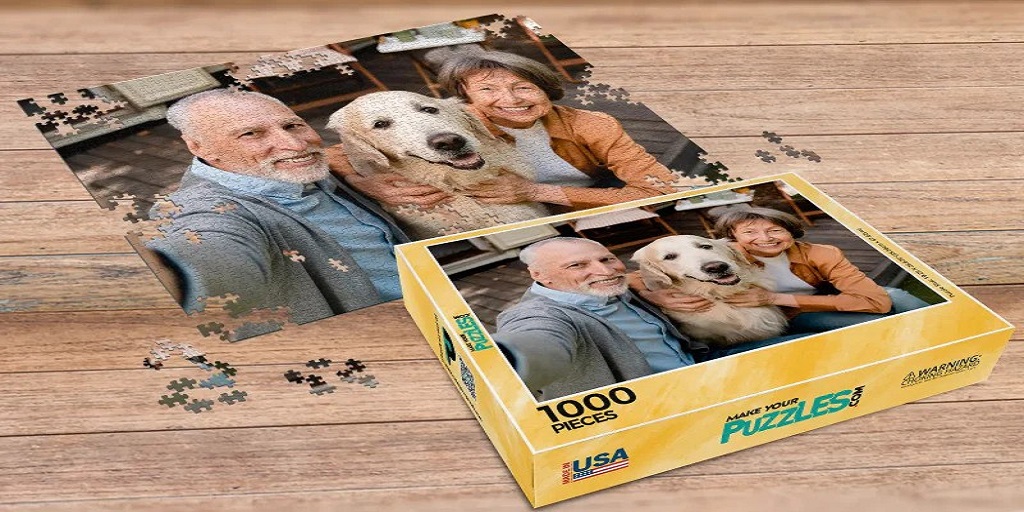
Jigsaw puzzles, often associated with leisure and nostalgia, can also serve as a powerful tool for improving the quality of life for individuals living with Alzheimer’s disease. While puzzles may seem like simple entertainment, they engage the brain in meaningful ways that support cognitive function, emotional well-being, and social connection.
When tailored appropriately to the individual’s stage in the disease, these games can offer a rewarding and therapeutic experience.
Cognitive Stimulation is Vital
One of the main benefits of puzzles for individuals with Alzheimer’s lies in cognitive stimulation. Although Alzheimer’s is a progressive condition that affects memory and thinking, stimulating activities like puzzles can help maintain mental function for longer.
Solving a puzzle requires concentration, visual scanning, pattern recognition, and problem-solving, encouraging the brain to stay active. This kind of mental “exercise” can be likened to working out a muscle; while it may not stop the disease, it can support the brain’s resilience and delay further decline.
Puzzles also play a role in reducing modifiable risk factors linked to cognitive decline. While age, genetics, and gender are non-modifiable, there are other lifestyle-related factors that can be addressed.
Cognitive stimulation, along with exercise, diet, and social engagement, is a crucial part of maintaining brain health. By incorporating puzzles into daily routines, individuals with Alzheimer’s can benefit from low-pressure brain activity that feels enjoyable rather than clinical.
A Calm and Stable Activity
Beyond the cognitive benefits, jigsaw puzzles provide emotional support. Working on a puzzle can be deeply satisfying, especially when it aligns with the individual’s interests and abilities. Completing even a small section can lead to a sense of accomplishment and joy.
That success triggers the release of dopamine in the brain, a chemical that boosts mood and motivation. For someone who may be feeling confused or withdrawn due to the effects of Alzheimer’s, even a brief moment of clarity and satisfaction can be profoundly uplifting.
Custom Puzzles Are Best
It’s important to remember that the type of puzzle matters. A person in the early stages of Alzheimer’s might still enjoy puzzles with a moderate number of pieces—perhaps 100 or 200—as long as the images are clear and colorful.
As the disease progresses, using custom puzzles that are simplified prevents frustration. Large pieces, bright colors, and easily recognizable images become more appropriate. For individuals in more advanced stages, even 48 or 100-piece puzzles can offer an engaging and manageable challenge.
Caregivers and family members should ensure that puzzles are neither too easy nor too difficult.
Choose custom puzzles that align with a person’s past. Select hobbies, favorite places, or family photos that can make the activity more meaningful and familiar, helping to spark memories and emotional connection.
Do It Together
Puzzles can also be a gateway to social interaction. Whether done with a family member, caregiver, or in a group setting, puzzles encourage cooperation and conversation. Working on a shared goal brings people together and allows for gentle communication without pressure.
This kind of interaction helps prevent isolation, which is a known risk factor for cognitive decline and depression in people with Alzheimer’s. Puzzles also support emotional regulation and relaxation. The act of sorting and placing pieces can help individuals focus in a way that resembles meditation.
The attention required to find the right piece promotes mindfulness, which can calm anxiety and reduce agitation, which are the two most common symptoms in people living with Alzheimer’s. Even individuals who are no longer verbal may show signs of comfort or pleasure during puzzle time, especially when it’s a calm, low-stress environment.
Ultimately, jigsaw puzzles are a simple but powerful way to enrich daily life. When selected and approached with care, they become more than a pastime; they become a tool for joy, connection, and cognitive support.
Choose MakeYourPuzzles to create custom puzzles you can complete quietly with a loved one. And the value of the experience is the same, you can help them stay connected to the world, to the mind, and to the people who care for them.