Your home is your castle, but that doesn’t mean your castle is mold-free. Many homeowners think their regular cleaning and maintenance is enough to keep mold and mildew away, but is it?
When you are in doubt, perhaps a home mold test kit will help.
A home mold test kit is designed to give homeowners a simple way to understand what is happening in their indoor environment before problems become obvious or severe. Mold is always present to some degree, but a test kit helps determine whether levels may be elevated enough to warrant further action.
But how can you make it work for you? It’s best to know what these kits contain and how to use them correctly to get meaningful results.
What’s In a Home Mold Test Kit?
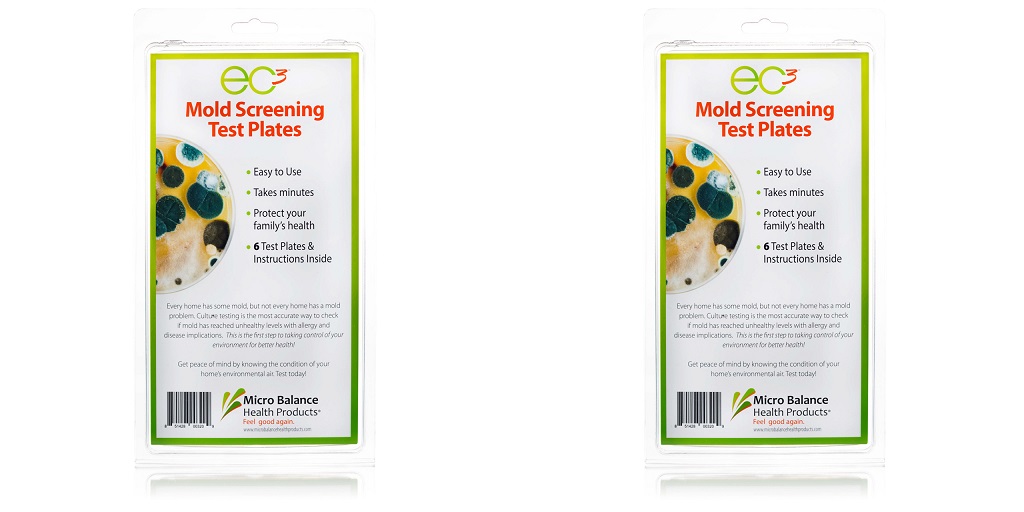
Most home mold test kits are built around culture-based testing. Inside the kit, you will typically find several test plates sealed in clear packaging. These plates contain a growth medium, often called agar, that supports the growth of mold and yeast while limiting the growth of other microorganisms.
This selective design makes it easier to see mold-related activity without interference from bacteria. Kits usually include multiple plates so you can test more than one room or perform different types of sampling within the same space.
In addition to the plates themselves, kits often include instructions, labeling materials, and a reference guide to help interpret results. Some also provide tape for sealing the plates and guidance on how long to wait before checking for growth.
While these kits are not meant to identify specific mold species on their own, they are very effective at showing whether mold spores are present in higher-than-expected concentrations.
How To Use Test Kits Properly
Using a mold test kit properly begins with preparation. Before testing a room, it is important to create normal air movement so spores that may be resting on surfaces are stirred into the air. This can be done by lightly disturbing fabrics or allowing fans or HVAC systems to circulate air.
At the same time, air purifiers should be turned off so they do not artificially lower spore counts during the test. Doors and windows should be closed to avoid introducing outdoor air that could skew the results.
Humidity is another important factor. Very high humidity can prevent spores from floating freely, which may lead to results that underestimate the true mold load. Checking and noting indoor humidity before testing helps provide context when reviewing the outcome.
Use The Right Testing Method
Most kits allow for two main types of sampling: air testing and surface or tap testing. Air testing involves opening a plate and leaving it exposed in a room for a set period of time. During this window, airborne spores naturally settle onto the growth surface.
Tap testing focuses on specific items such as carpets, upholstered furniture, or bedding. You can gently tap the plate against the surface, so any spores that are embedded in those materials are released and captured by the growth medium.
Once sampling is complete, the plates are sealed, labeled, and stored in a dark, undisturbed place at room temperature. Over the next several days, any mold spores present begin to grow into visible colonies.
After the recommended waiting period, results can be viewed without opening the plates. The number and density of colonies provide a general indication of mold levels in the tested area.
Use Home Mold Tests Properly
It is important to understand that these kits are screening tools, not diagnostic instruments. They are excellent for determining whether mold levels may be higher than expected. However, they do not confirm health risk on their own, nor do they replace professional analysis.
You should consider contacting a professional mold remediation specialist if test results show heavy or widespread growth, despite cleaning. Remember, a home mold test kit is only the first step for mold remediation. When used correctly, it provides valuable insight, helping homeowners decide whether simple maintenance is enough or if expert intervention is necessary.