According to a relatively recent report, more than 10% of households in the United States own a boat, and more than a quarter of people in the country go recreational boating at least once per year.
That means if you’re reading this there’s roughly a one-in-ten chance that you or someone in your household owns a boat; not bad odds.
Which would also mean that at least one person in your household should be relatively well aware of how to do basic wiring – such as to connect a battery cable, wire a bilge pump, or install lights, for instance.
If that’s you, take note of these 3 helpful tips for working with marine electrical wire and cable.
Use Marine Electrical Wire and Cable Only
You can use any wiring to wire electrical equipment on a boat, but you shouldn’t. What you should use is marine electrical wire and cable only.
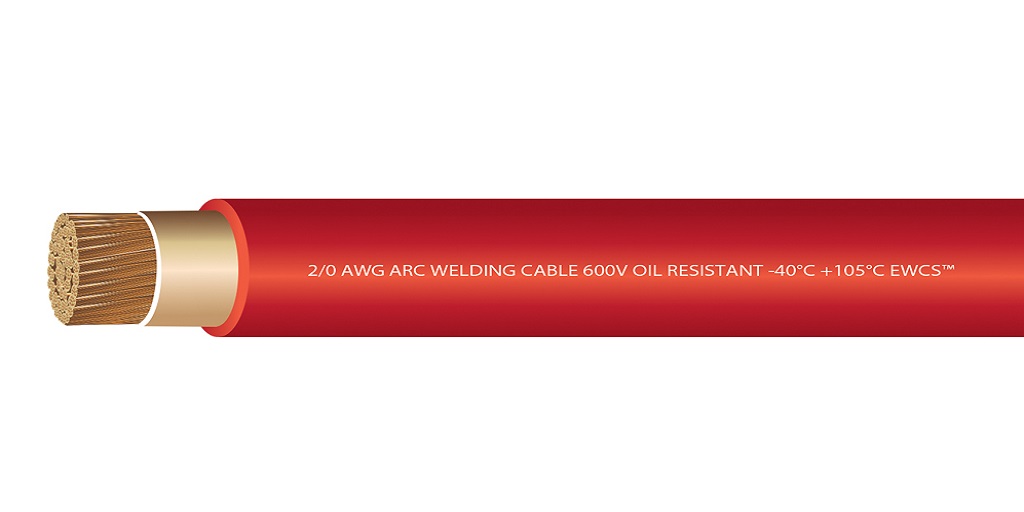
Marine electrical wire and cable, also sometimes referred to as marine battery wire, is a special grade of wire made of very thin copper conductors that are individually tinned.
If you’ve ever seen it, it looks silver, and that’s why (it’s aluminum). While silver is also an excellent conductor, a copper-aluminum pairing is used because aluminum is highly corrosion-resistant and protects the copper wiring.
The other reason the conductors are individually tinned is that corrosion has a nasty habit of traveling up and under the insulation of electrical wire – which is why it’s so important to use marine battery cable in the requisite applications.
Use the Appropriate Gauge
In addition to using marine electrical wire and cable only, the second most important consideration you should make is to use an appropriate wire gauge only.
Gauge refers to the thickness of wire, and in the United States, we mostly used AWG, or American Wire Gauge.
A higher gauge refers to a smaller-diameter wire, and a lower gauge refers to a thicker-diameter wire. Consequently, low-gauge wires, which are thicker, can handle higher voltages and greater ampacity.
Wire in an inappropriate gauge for an application will rapidly overheat when in use, which can easily cause fires on board boats – and fires are among the leading causes of all boat losses in the country.
Remember also that you can’t technically use a wire that’s too thick, but you can use a wire that’s too thin, so always err on the side of caution.
Protect Exposed Connections and Battery Terminals with Dielectric Grease
When establishing connections on your boat, such as at the battery terminals, or to your equipment, protect all exposed areas with a marine-grade dielectric grease.
Dielectric grease is a compound, primarily made of silicone, that insulates the wires. It does not interfere with electrical currents, making it perfect for this application.
It also seals off exposed connections, protecting them from sunlight, salt spray, acids, alkalis, and other environmental factors. In this way, it helps to prevent corrosion.
It’s another failsafe against compromised electrical wiring.
One note: do not be tempted to use regular silicone to protect electrical wires and cables. Dielectric grease is specially rated for use with electrical systems and does not harden, whereas other grades of silicone will.
High Quality Marine Electrical Wire and Cable Online
Following these three basic tips will help ensure that your marine electrical wiring works properly and is properly protected against the elements. Always follow all manufacturer instructions when wiring, and if you have questions, take no risks – enlist the help of an electrician.
If you’re looking for high-quality marine electrical wire and cable at affordable prices, visit EWCS Wire via the previous link.
They carry a wide range of ABYC-approved and UL-listed marine-grade wire among many other types of wiring. Check out their collection today and contact them at 800-262-1598 if you have any questions.