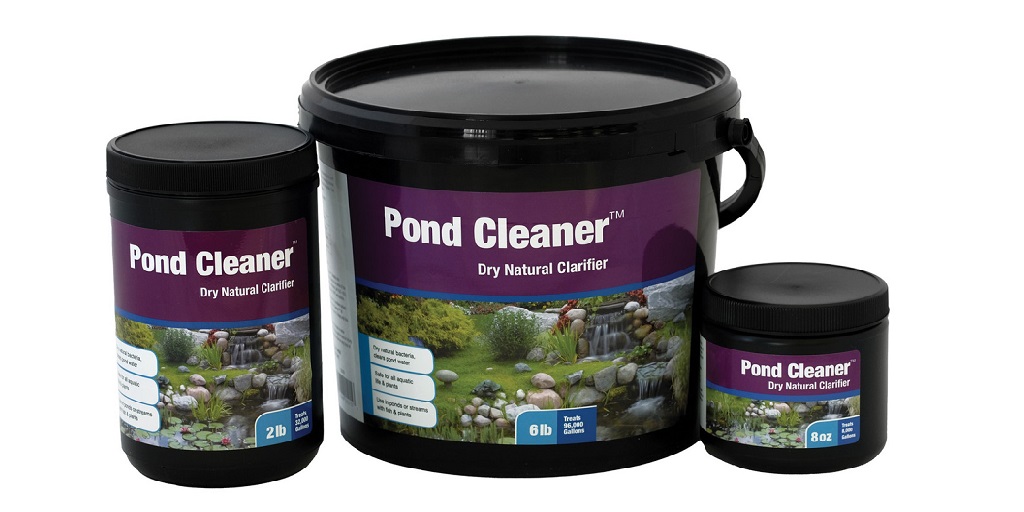
Saginaw, MI, is no stranger to water. With lakes, ponds, and more than a few artificial water features dotting the landscape, maintaining a clean, thriving pond is a full-time job. Nature doesn’t take breaks, and neither does the sludge creeping into your water. That’s where a pond cleaner steps in—because nobody’s backyard oasis should look like a swamp creature’s vacation home.
Artificial Pond? Still Needs Cleaning.
Think an artificial pond gets a free pass? Think again. Just because it didn’t come with fish straight from the wild doesn’t mean it won’t collect debris, develop algae, or start smelling like an abandoned fishing dock. Even with filtration, artificial ponds accumulate organic waste, and that waste doesn’t just disappear. A pond cleaner keeps things fresh, clear, and—most importantly—not embarrassing when guests come over.
When Does a Pond Need Cleaning?
Short answer? Always. Longer answer? Some seasons are worse than others.
Spring: Everything is waking up, including that lovely layer of muck at the bottom of your pond. Cleaning now prevents algae from staging a full takeover.
Summer: Warmer temps mean more algae and more water evaporation. Less water? More concentrated waste. Fun times.
Fall: Leaves, twigs, and whatever else the wind decides to drop in. If ignored, this turns into sludge. Sludge is not scenic.
Winter: If the pond is deep enough not to freeze solid, bacteria still break down organic matter. But winter’s slower decay doesn’t mean problems vanish. A mid-winter check can save a bigger headache in spring.
What’s Actually Lurking in Your Pond?
Just because a pond looks fine on the surface doesn’t mean it’s problem-free. Below that calm exterior, there’s an entire ecosystem of things you probably don’t want taking over your water feature.
Algae, bacteria, and microscopic organisms thrive in untreated water, turning what should be a peaceful oasis into a breeding ground for murky sludge. Organic debris from leaves, twigs, and even nearby lawn clippings contributes to the mess, creating the perfect storm for biofilm and unwanted microorganisms.
Even artificial ponds aren’t safe—without proper cleaning, they quickly become a magnet for unwanted buildup that clouds the water and makes maintenance a nightmare. A pond cleaner keeps these silent invaders from turning your peaceful retreat into a stagnant mess.
But Won’t a Pond Cleaner Kill the Fish?
No. Not unless you’re using something wildly inappropriate. A proper pond cleaner is designed to clean water, not murder its inhabitants. Safe, eco-friendly options break down waste and algae without harming fish, frogs, or whatever else calls the pond home.
The real threat? Letting sludge and unchecked algae suffocate everything in the water. That’s how ponds turn into murky nightmares where only mosquitoes thrive.
The “Green Carpet” Problem
Algae starts small—just a few patches here and there. But don’t be fooled. If left alone, it spreads faster than bad gossip in a small town. Suddenly, that peaceful pond transforms into a thick, green mess, blocking sunlight, depleting oxygen, and making the water uninhabitable for fish and plants.
Different types of algae bring their own set of problems. String algae form long, slimy tendrils that cling to rocks and surfaces, while planktonic algae create that dreaded pea soup effect. Both thrive in nutrient-rich water, feeding off excess organic matter.
The more waste in the pond, the worse the problem gets. The solution? A quality pond cleaner that removes excess nutrients and keeps algae from staging a full takeover.
The Takeaway? Stop Procrastinating.
Pond maintenance isn’t a someday task. Whether natural or artificial, ponds need regular care, and waiting for the water to turn green is a bold but terrible strategy. A pond cleaner keeps things balanced, clear, and free from the kind of grime that makes neighbors side-eye your backyard.
For those in Saginaw who actually care about their water features, Blue Thumb has everything needed to keep ponds looking like a dream instead of a disaster. No more guessing, no more last-minute panic—just clean, thriving water, season after season.