Handling and securing specimens in the laboratory are essential to ensure accurate test results, prevent contamination, and maintain the integrity of the specimen. Healthcare providers, researchers, and scientists use different security and storage methods to maintain the highest level of quality and reliability in their work.
These include using the appropriate laboratory specimen bags and storage equipment. Let’s look at the common issues about handling and securing specimens in the laboratory.
Why Proper Specimen Handling and Security are Critical
Maintaining Specimen Integrity
One of the most critical aspects of proper specimen handling and security is to maintain the integrity of the specimen. Specimens can be easily contaminated, degraded, or altered during handling and storage, leading to inaccurate results.
Proper handling and security of specimens ensure that the specimens are protected from contamination, deterioration, and exposure to environmental factors that may affect their quality and accuracy.
Preventing Cross-Contamination
Cross-contamination can occur when specimens are mishandled or mixed up, leading to incorrect results and potential harm to patients. Proper handling and security of specimens prevent cross-contamination, ensuring that each specimen is identified, tracked, and processed correctly.
Laboratory Specimen Bags are a Cost-effective Solution
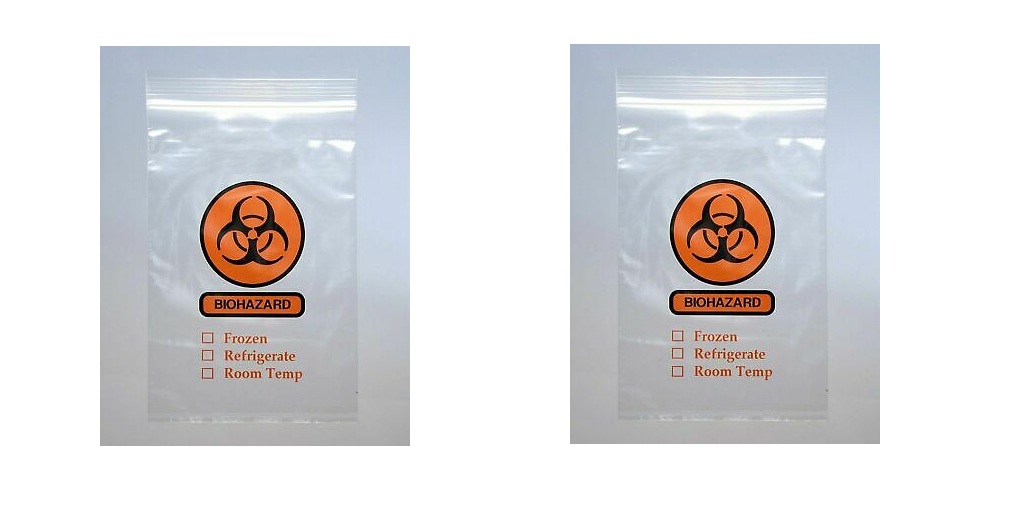
Laboratory specimen bags provide protection to the specimens from physical damage, contamination, and exposure to air, moisture, and light. The bags are often made of durable materials that prevent damage and keep the specimens safe during storage and transport.
They are also convenient and easy to use. Available in various sizes and types to meet the needs of different types of specimens, they can be sealed quickly and securely. The bags also have ample space for labeling and tracking information, making it easier to identify and retrieve the specimens.
Most specimen bags are compliant with various regulatory requirements, such as the Clinical Laboratory Improvement Amendments (CLIA) and Occupational Safety and Health Administration (OSHA) standards. They are also available in various colors and designs to meet the specific needs of different laboratories and testing facilities.
They are also a cost-effective solution compared to other types of storage containers, such as vials, tubes, and jars. They are disposable and do not require additional cleaning or maintenance, reducing the overall cost of storage and transport.
Best Practices for Proper Specimen Handling and Security
Ensure that the specimen is collected correctly.
This involves following standard procedures for specimen collection, including identifying the patient, labeling the specimen container correctly, and using sterile techniques to minimize the risk of contamination.
Specimens should be stored in appropriate containers.
Proper specimen storage is crucial to maintain the specimen’s integrity and prevent contamination. Specimens should be stored in appropriate containers, labeled correctly, and stored at the right temperature and humidity. Storage areas should be clean, well-ventilated, and secure to prevent unauthorized access.
They should be transported and processed accordingly.
Specimens must be transported securely to the laboratory to prevent contamination or degradation. Specimens should be packaged correctly, labeled clearly, and transported at the appropriate temperature to maintain their integrity.
Specimen processing involves preparing the specimen for testing, which includes centrifugation, separation, and aliquoting. Proper processing ensures that the specimen is ready for testing and that the results are accurate.
Follow proper security measures.
Security measures, such as access controls, security cameras, and alarm systems, are critical to preventing unauthorized access to the laboratory and specimens. Laboratories should have clear policies and procedures for ensuring the security of specimens and for responding to security breaches.
The laboratory environment is an intricate and complex one, and is home to a wide array of sensitive and valuable specimens. As such, proper specimen handling and security should be a top priority in any lab.
Using the right equipment such as laboratory specimen bags are ideal for proper handling and storage of specimens. They can provide protection, sterility, convenience, compliance, and cost-effectiveness.
Laboratories should choose the appropriate type and size of bags for their specific needs, based on factors such as specimen type, storage requirements, and regulatory compliance.