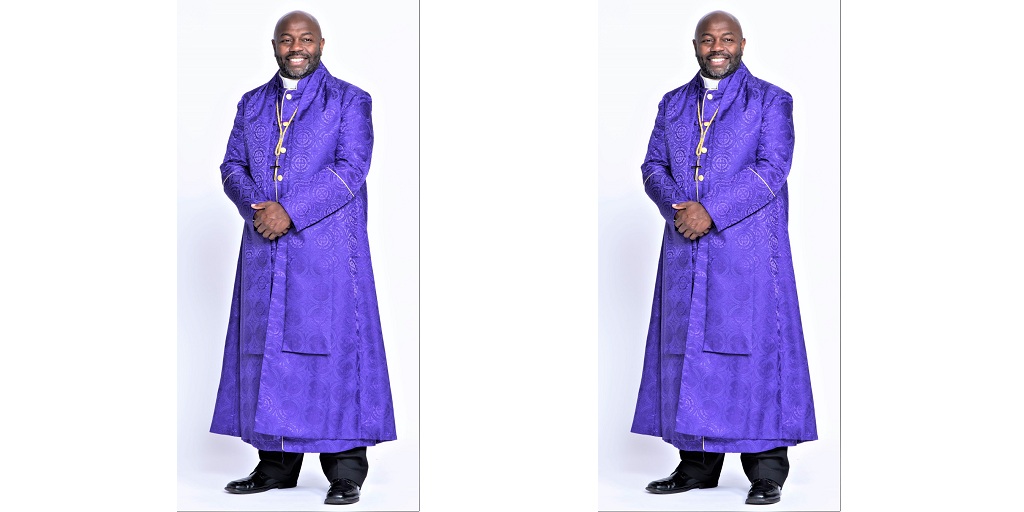
Clerical garments are worn by members of the clergy as a symbol of their religious vocation. They serve a variety of purposes, from identifying the wearer’s role in a religious ceremony to expressing humility and reverence.
But while the use of clerical garments is still widespread across many Christian denominations, it is not universal.
Clerical Garments Across Denominations
In some churches, such as evangelical or non-denominational Protestant churches, pastors may opt to wear more casual attire during services or choose not to wear any specific type of clerical garment at all.
On the other hand, in some denominations, such as the Roman Catholic Church, clerical garments are an essential part of the liturgical tradition. The pope, cardinals, bishops, and priests wear specific garments, such as the cassock, zucchetto, biretta, and mitre, during various religious ceremonies. These garments are also used to indicate the rank and hierarchy within the Church.
In the Anglican Church, which also has a strong liturgical tradition, bishops and priests wear different types of vestments depending on the occasion. For example, during Holy Communion, priests wear an alb, stole, and chasuble, while bishops also wear a mitre and cope.
Alternatively, the Church of God in Christ (COGIC) has a similar style of clerical garments. COGIC clergy members typically wear a black cassock with a matching black cincture belt, a white surplice, and a black tippet with the COGIC seal sewn on it, somewhat resembling Anglican vestments.
Overall, the use of clerical garments is a tradition that varies across different Christian denominations and can serve as a symbol of the wearer’s religious affiliation and rank within the church.
However, as with many traditions, the use of clerical garments is evolving, with some churches choosing to forego their use in favor of more contemporary attire.
That said, here’s a brief list of some of the different types of clerical garments and their uses for those looking to purchase clerical wear for their vocation.
Different Types of Clerical Garments
1. Cassocks
Cassocks are long, flowing garments worn by members of the clergy. They are typically black, but can also come in other colors such as purple or red.
Cassocks are worn over a shirt and tie, and are often buttoned all the way up to the neck. They are used for everyday wear and are often worn by priests, deacons, and other members of the clergy.
2. Albs
Albs are white, ankle-length garments. They are typically worn over a cassock and serve as a symbol of purity and holiness.
Albs are commonly worn during Mass or other religious ceremonies and are often made of linen or cotton.
3. Stoles
Stoles are long, narrow garments worn by members of the clergy. They are often worn over a cassock or alb and are draped around the neck.
Stoles come in a variety of colors and designs and are used to signify the wearer’s role in a religious ceremony. For example, a priest may wear a stole with the color of the liturgical season or a deacon may wear a stole with the symbol of the Holy Spirit.
4. Chasubles
Chasubles are sleeveless, outer garments worn by priests during Mass. They are often brightly colored and feature intricate designs and embroidery. Chasubles are used to symbolize the joy and celebration of the Mass and are worn over a cassock and alb.
5. Surplices
Surplices are white, lightweight garments worn by members of the clergy. They are often worn over a cassock and serve as a symbol of humility and simplicity. Surplices are commonly worn by acolytes and altar servers during Mass.
Different types of clerical garments serve a variety of purposes in religious ceremonies.
So, whether you are a clergy member in need of new garments or someone looking for a thoughtful gift for a loved one in ministry, Divinity Clergy Wear has you covered. Their collection offers a wide variety of options for you to choose from.
Browse their selection today and find the perfect clerical garment to suit your needs.