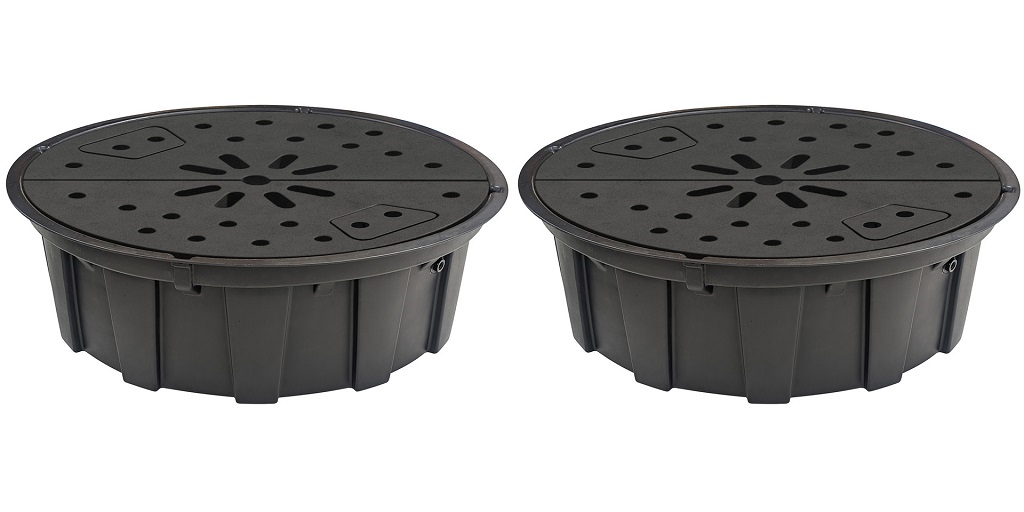
People love the look of a bubbling urn or a smooth disappearing fountain. It feels simple. Easy even. Just plug it in and watch the water do its thing. Except that the whole setup depends on something hidden under the feature. And people only learn that once the water starts acting strange. The fountain reservoir begins to matter a lot more than they expected.
Someone tops up the water every morning. They hear the pump cough dryly. They wonder why the basin empties so fast. That’s when it clicks. The visible fountain is only a show. Everything that keeps it running sits underground.
Where People Get Mixed Up With a Fountain Reservoir
It sounds straightforward. Dig a hole. Drop in a basin. Cover it with gravel. But most first-timers pick something too small. Or too shallow. Or made from flimsy plastic that warps after one hot afternoon.
A real reservoir needs to handle weight. Not just the fountain piece. The stone. The gravel. The constant foot traffic around it. When a DIY container flexes even an inch, the fountain tilts, water hits the wrong angle. It splashes out of the safe zone. The system loses water faster than anyone expects.
Then there’s evaporation. Most homeowners forget how quickly water disappears when the sun sits on the fountain all day. A bigger underground basin slows that problem down. It doesn’t solve everything, but it buys comfort. The pump doesn’t starve. The sound stays consistent. The feature feels dependable.
People often believe they have a pump problem when it’s really a basin problem. Little clue. If topping up the water changes everything instantly, the reservoir is undersized.
Signs That The Basin Isn’t Doing Its Job
Fountains don’t fall apart loudly. They whisper first.
A softer waterfall sound.
A little sputter when the pump pulls in more air than water.
A patch of gravel that always looks damp because water keeps overflowing under the surface.
A debris buildup that returns no matter how often someone cleans it.
These small things pile up. The homeowner can’t figure out why the whole feature feels “tired.” The top looks great. The pump seems fine. But the hidden base is struggling.
A properly sized fountain reservoir prevents all those tiny annoyances. Not because it’s complicated. Just because it’s built to hold enough water and support the fountain without flexing.
Little Choices That Make a Big Difference Underground
The depth matters. Deep enough so the grate sits flush with the ground. Deep enough to protect the pump from debris. Deep enough that normal evaporation isn’t a daily crisis. People think half an inch won’t matter. It does. Water lines drop faster than anyone expects.
The grate matters too. Strong ones don’t shift when someone steps on the rock bed. Weak ones crack. Once they crack, everything above them sinks. The fountain leans. The stream angle changes. Then the water misses the gravel entirely.
Even the gravel matters. Too fine and the water struggles to move through. Too large and the gaps look awkward. Somewhere in the middle keeps the surface clean and the water moving freely.
Some homeowners add a simple auto-fill. Others stick to a hose. Either way works once the reservoir is sized correctly. The whole point is making the fountain feel like something you enjoy, not something you babysit.
What People Only Realize Later About a Fountain Reservoir
The underground reservoir determines the above-ground feature’s behavior, affecting water stability, pump lifespan, and the fountain’s overall appearance. Installers realize that the right reservoir simplifies everything. For durable outdoor setups, consult Blue Thumb online for fountain, pond, lake, and garden solutions before selecting a reservoir.