Vented crawl spaces are a popular foundation choice for many structures due to their ability to promote airflow beneath the building, reducing moisture buildup and potential mold issues. However, the effectiveness of a vented crawl space greatly depends on the stability of the foundation itself. This is where helical piles come into play, providing a reliable solution for supporting vented crawl spaces, especially in challenging soil conditions.
The Importance of a Strong Foundation
A solid foundation is critical for any building, ensuring that it remains stable and safe for its occupants. In areas where soil conditions are less than ideal—such as clay-rich soils or regions prone to shifting—traditional concrete foundations can struggle to maintain their integrity. Helical piles offer an alternative that can adapt to various soil types, providing a more secure and long-lasting foundation for structures with vented crawl spaces.
Benefits of Using Helical Piles for Vented Crawl Spaces
When considering the foundation for vented crawl spaces, helical piles offer several key benefits that make them an excellent choice. Here are the main advantages:
- Adaptability to various soil conditions. One of the key advantages of using helical piles is their ability to be installed in a wide range of soil types. Whether dealing with soft, sandy, or clay-heavy soils, helical piles can be adjusted in length and size to suit the specific conditions of the site. This adaptability ensures that the vented crawl space remains stable, regardless of the soil’s characteristics.
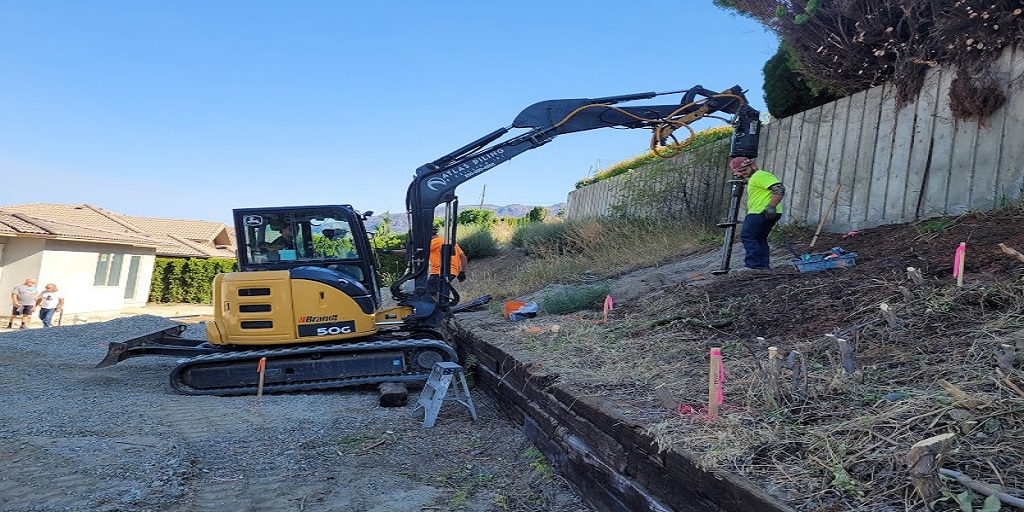
- Minimal ground disturbance. Unlike traditional foundation methods that require extensive excavation, helical piles can be installed with minimal disruption to the surrounding environment. This is particularly important for maintaining the integrity of a vented crawlspace, as excessive ground disturbance can lead to uneven settlement and potential damage to the foundation.
- Long-term stability. Once installed, helical piles provide long-term stability for the structure. They are resistant to the effects of moisture and temperature changes, which can cause other foundation types to shift or crack over time. For vented crawl spaces, this stability is crucial in ensuring that the foundation remains level and that the airflow beneath the building is not compromised.
Installation Considerations
When installing helical piles for a vented crawlspace, it’s essential to work with professionals who understand the specific requirements of this type of foundation. Proper placement and sizing of the piles are critical to ensuring that they provide the necessary support without affecting the functionality of the vented crawlspace. Additionally, the installation process should be carefully monitored to avoid any issues that could arise from improper placement or inadequate depth.
Enhancing Durability and Protection
To maximize the effectiveness of helical piles in vented crawl spaces, it’s essential to consider their role in mitigating challenges such as soil erosion and seismic activity. In regions prone to heavy rainfall or seismic events, the soil can become destabilized, posing significant risks to traditional foundations. Helical piles, with their deep-reaching, screw-like design, anchor the structure securely into the ground, reducing the likelihood of foundation failure during such events. This added layer of protection not only safeguards the integrity of the vented crawl space but also enhances the overall longevity and safety of the entire structure.
Moreover, helical pile installation is often quicker and less labor-intensive compared to other foundation methods, allowing for faster project completion without sacrificing quality or durability. By incorporating helical piles, builders invest in a foundation solution that delivers both immediate and long-term benefits, providing peace of mind for homeowners and developers alike.
Vented crawl spaces offer significant benefits in terms of moisture control and overall building health. However, these benefits can only be realized if the crawlspace is supported by a stable and reliable foundation. Helical piles provide an ideal solution for this, offering adaptability, minimal disturbance, and long-term stability. By choosing helical piles, builders and homeowners can ensure that their vented crawl spaces remain functional and secure for years to come.