When it comes to designing a durable and reliable foundation, especially in areas with variable soil conditions, few methods match the adaptability and performance of a helical piles foundation. This system offers stability by anchoring deep into the earth, bypassing unstable surface layers. But one of the most important—yet often overlooked—aspects of a successful helical pile installation is torque.
So, what exactly is torque in this context, and why does it matter so much? Let’s break it down.
What Is Torque in Helical Pile Installation?
Torque refers to the rotational force required to advance a helical pile into the ground. It’s measured during installation and is directly correlated with the pile’s load-bearing capacity. In simple terms, the higher the torque, the more resistance the pile is encountering—which generally means it’s reaching denser, more stable soil layers that can better support the structure above.
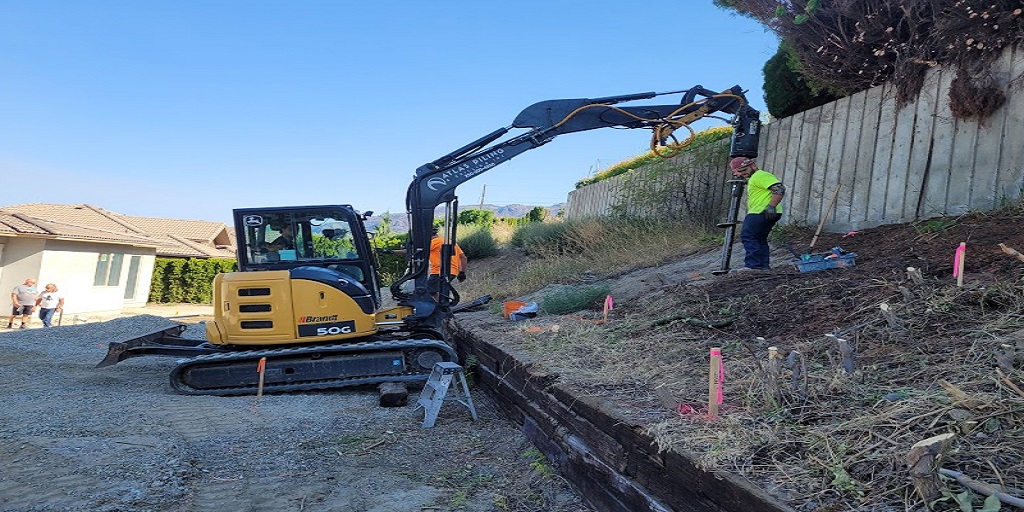
Installers monitor torque in real-time during installation to ensure the pile is achieving adequate resistance. This measurement is critical for ensuring that the foundation will perform well under the specific conditions of the site.
How Soil Conditions Influence Torque
Different soils offer different levels of resistance. For instance, sandy or loose soils provide minimal resistance, requiring deeper installation and potentially larger helix plates to reach the desired torque. On the other hand, clay, silt, or dense till offer more resistance, often resulting in higher torque readings over shorter depths.
In some regions, a single site may feature varying soil types due to previous construction, natural erosion, or geological activity. This is where helical piles foundation systems shine. Their design allows for real-time adjustments based on torque feedback, ensuring that each pile reaches the optimal depth and resistance for the conditions at hand.
What Is the Ideal Torque?
There’s no one-size-fits-all torque number. The ideal torque depends on multiple factors, including:
- The structure’s load requirements (residential vs. commercial vs. industrial)
- Soil type and composition
- Frost depth and ground movement history
- Size and design of the pile itself (shaft diameter, helix diameter, number of helices)
That said, engineers often use a general guideline to estimate load capacity: every 1,000 ft-lbs of torque equates to approximately 10,000 lbs of load capacity. So, for a structure requiring support for 40,000 lbs, installers would aim for a minimum of 4,000 ft-lbs of torque.
This formula isn’t exact—it varies by soil type and pile manufacturer—but it provides a reliable benchmark for designing a safe and effective helical piles foundation.
Torque Monitoring as a Quality Control Tool
Torque monitoring during installation does more than just guide depth—it also serves as a critical quality control tool. By recording torque readings, contractors can verify that each pile meets the required specifications before construction proceeds. This minimizes the risk of future settling or structural failure.
In some cases, engineers might require a proof test where one or more piles are load-tested post-installation. However, when proper torque is achieved and documented, it often eliminates the need for additional testing—saving time and cost without compromising on safety.
When installing a helical piles foundation, achieving the correct torque is essential for long-term performance and safety. It’s not just about depth—it’s about resistance, stability, and making sure the foundation is tailored to the conditions below the surface. For contractors and property owners alike, it’s a key part of ensuring peace of mind and structural longevity.