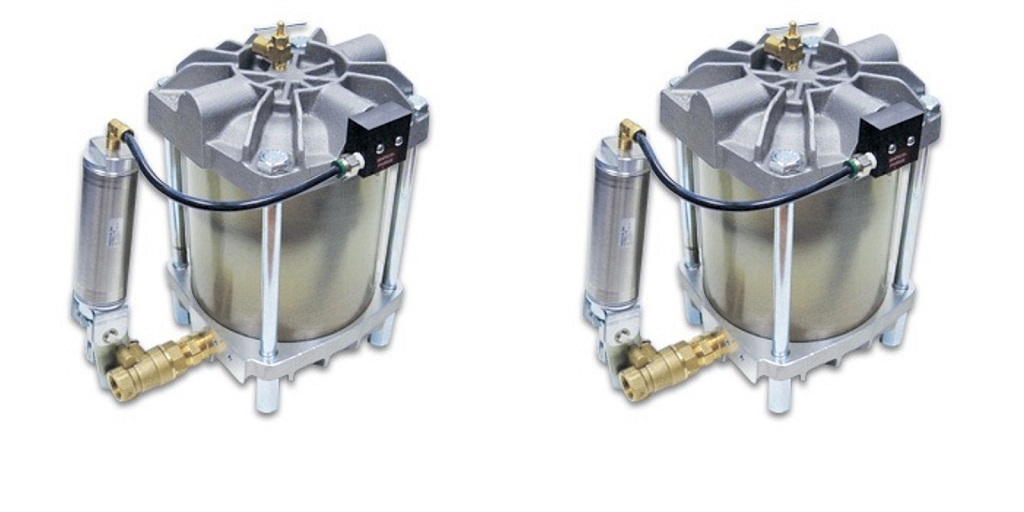
Compressed air systems are vital in countless industrial applications, from manufacturing plants to automotive repair shops. However, one persistent challenge in these systems is managing condensate—a mixture of water, oil, and other contaminants that accumulates as air is compressed and cooled. If not properly removed, condensate can corrode equipment, reduce efficiency, and damage downstream processes.
Traditional manual or timed drain valves have long been used to address this issue, but they often waste compressed air or require frequent maintenance.
Enter the zero loss drain valve: a modern, efficient solution designed to remove condensate without sacrificing valuable compressed air. This article dives into how zero loss drain valves work, their components, benefits, and applications.
What is a Zero Loss Drain Valve?
A zero loss drain valve is an advanced condensate removal device engineered to automatically expel accumulated liquid from compressed air systems while ensuring no compressed air escapes during the process.
Unlike timed solenoid drains, which open at preset intervals regardless of condensate levels (potentially releasing air), or manual drains, which rely on human intervention, zero loss drains operate based on demand. They use sensors and intelligent mechanisms to detect and discharge condensate only when necessary, making them highly efficient and environmentally friendly.
The “zero loss” designation refers to the valve’s ability to conserve compressed air—a costly resource in industrial settings. By preventing air loss, these valves reduce energy consumption, lower operating costs, and contribute to sustainable system management.
How Zero Loss Drain Valves Work
Zero loss drain valves rely on a combination of mechanical, electronic, and sensor-based technologies to achieve their function. Below is a step-by-step breakdown of their operation:
Condensate Collection
In a compressed air system, condensate forms as moisture in the air condenses during compression and cooling. This liquid collects in low points such as air receivers, filters, dryers, or separators. The zero loss drain valve is typically installed at these collection points, where it serves as the exit pathway for the liquid.
Reservoir and Level Sensing
Inside the valve, a small reservoir or collection chamber gathers the incoming condensate. Integrated sensors—often capacitive, float-based, or electronic—monitor the liquid level in this chamber. These sensors are calibrated to detect when the condensate reaches a predetermined threshold, ensuring the valve activates only when there’s enough liquid to warrant discharge.
Activation Trigger
Once the condensate level reaches the upper limit, the sensor sends a signal to the valve’s control mechanism. This could be a microprocessor in electronic models or a mechanical float in simpler designs. The key here is that the valve remains closed until this point, preventing any air from escaping prematurely.
Discharge Process
When activated, the valve opens a diaphragm, piston, or solenoid-controlled port to release the collected condensate. The discharge is quick and precise, expelling only the liquid while keeping the compressed air sealed within the system. Advanced designs ensure the valve closes immediately after the condensate level drops below a set minimum, avoiding unnecessary air loss.
Self-Regulating Operation
After discharging the condensate, the valve resets itself and resumes monitoring the reservoir. This cycle repeats automatically, requiring no manual intervention. Some models include self-cleaning features or alarms to alert operators if blockages or malfunctions occur.
Benefits of Zero Loss Drain Valves
The adoption of zero loss drain valves offers numerous advantages over traditional drainage methods:
- Energy Efficiency: By eliminating compressed air loss, these valves reduce the energy required to maintain system pressure, potentially saving thousands of dollars annually in large operations.
- Low Maintenance: Automatic operation and self-regulating designs minimize the need for manual oversight or frequent repairs.
- Environmental Impact: Conserving compressed air lowers energy consumption, reducing the carbon footprint of industrial facilities.
- System Protection: Timely condensate removal prevents corrosion, extends equipment lifespan, and ensures consistent air quality.
- Versatility: Available in various sizes and configurations, they can be installed in air receivers, filters, dryers, and other system components.
Zero loss drain valves represent a significant advancement in compressed air system management. If you are interested in learning more or obtaining zero loss drain valves for your operations, visit Air & Vacuum Process today!