In construction, the ground isn’t always as solid as it looks. Unseen below the surface, shifting soils, poor compaction, high moisture levels, or organic material can pose a serious threat to structural stability. These issues often don’t become apparent until a project is already underway—or worse, when the building begins to show signs of stress. That’s when costly delays, structural damage, or even foundation failure can follow.
Fortunately, modern engineering offers a solution that’s both fast and effective: helical piles. In projects where the soil fails to support the planned structure, these deep foundation elements can mean the difference between costly remediation and getting back on schedule with confidence.
When Soil Becomes the Problem
From soft clay deposits to frost-prone silts and loose fill, weak or unpredictable soils are a common challenge in construction. Contractors often encounter sites where standard shallow foundations are simply not feasible due to poor load-bearing capacity or risk of differential settlement. In these situations, ignoring the issue—or relying on conventional techniques—can result in expensive fixes later.
This is especially true for renovations, additions, or infrastructure upgrades. Sometimes the existing soil was never ideal in the first place, and over time, moisture fluctuations, erosion, or nearby excavation can make things worse. Cracks in foundations, uneven floors, and sloping structures are all warning signs that the ground underneath is failing to do its job.
The good news is that these warning signs don’t have to spell disaster. Helical piles offer a highly adaptable method for bypassing unstable soils and transferring structural loads to deeper, more reliable strata. The result is a stronger, safer foundation without the need for major excavation or delay.
A Rapid, Low-Disruption Fix
When a project runs into soil-related trouble, time is of the essence. Excavating and replacing soil, waiting for concrete to cure, or halting work for redesign can push a build weeks behind schedule and far beyond budget.
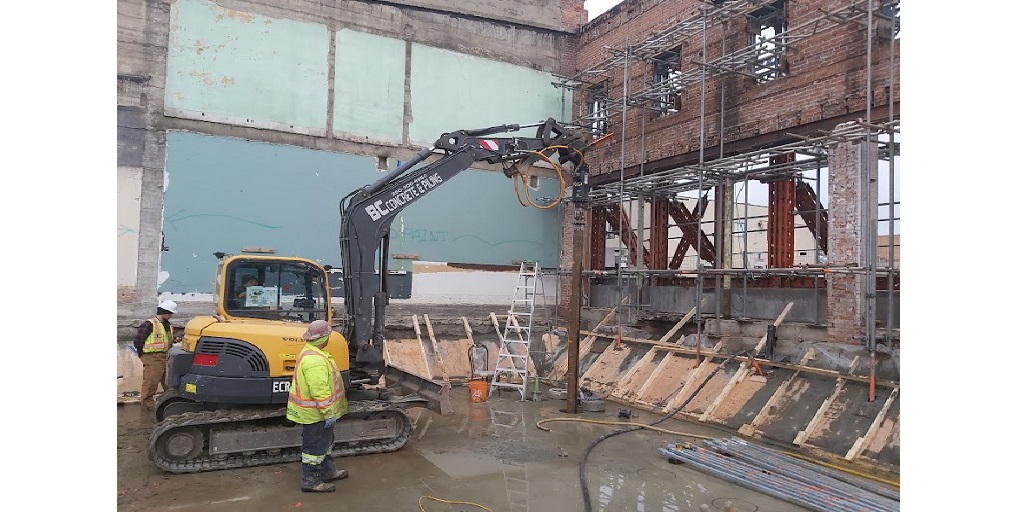
One of the reasons helical piles are increasingly trusted in these scenarios is because of their speed and efficiency. They can be installed quickly with minimal site disturbance, allowing other trades to continue working around the foundation process. There’s no waiting on weather-sensitive materials to cure, and the equipment footprint is much smaller compared to conventional piling or excavation work.
This makes helical piles an ideal solution for active job sites, tight urban lots, or environmentally sensitive areas where noise, vibration, and heavy equipment need to be kept to a minimum.
Rescuing At-Risk Projects
It’s not just new builds that benefit. Existing structures that begin to experience foundation failure—whether due to soil issues, poor drainage, or natural shifts—can also be stabilized using helical technology. In many cases, helical piles can be retrofitted beneath an existing foundation to lift and relevel the structure, addressing the root cause without the need for demolition.
This method is especially valuable for homeowners, property managers, and developers looking to preserve assets and extend the life of buildings affected by ground movement. The piles can also be installed year-round, including in cold climates where other foundation methods are difficult or impractical.
Soil failure doesn’t have to derail your project. Whether dealing with an unexpected obstacle underground or protecting against potential settlement, helical piles offer a fast, dependable, and low-disruption solution. In the high-stakes world of construction, getting the foundation right—especially when the soil won’t cooperate—is one of the smartest investments a builder can make.