People don’t always admit this, but most backyard ponds run on a little bit of hope. You set it up. You add fish. You expect the water to behave. Then weeks pass and the water suddenly looks tired. That is usually the moment someone realizes their setup depends on the fish pond pump more than anything else.
The funny part. It’s always the last thing people think about.
They stare at the plants. They test the water. They even blame the fish. But not the circulation. Not the thing that decides whether the pond feels alive or just sits there.
Where People Start Guessing Wrong with a Fish Pond Pump
Most folks grab the first pump that claims high flow and call it a day. They don’t think about height or friction or how water slows down after every elbow and tube bend. They don’t think about how debris builds up around the intake. Or how a pond that looked small when they stood next to it suddenly feels huge once water has to travel around it.
It’s not their fault. Pond math becomes weirdly personal. Every setup behaves differently. Some ponds have narrow channels. Some are shallow. Some run waterfalls that pull more water than expected. People find out the hard way that a pump performing well in the box isn’t always performing well in the yard.
There’s a moment where they stop and go, something feels off.
That moment matters.
The Little Signals Ponds Give Before Things Go Downhill
A pond doesn’t fail dramatically. It kind of sighs first.
The waterfall sound changes. Just slightly. The surface movement appears soft rather than crisp. Fish gather a bit more near the top. Filters look tired faster. You can scoop debris from the surface and it keeps coming back.
Small things. Too small to panic about.
But they add up.
Circulation dips before clarity dips. Oxygen drops before fish act stressed. Most people only notice the visible part. The pond already knew long before they did.
A well sized pump keeps that from happening. Not because it’s stronger. But because it doesn’t struggle. The right unit moves water without feeling like it’s fighting the pond all day. And that keeps everything else running quietly.
How Pond Owners Talk Themselves Into the Wrong Upgrades
There’s a habit many pond owners share. Instead of replacing a tired pump, they compensate. They clean more often. They adjust the waterfall. They rinse filters aggressively. They blame algae. Then the next morning nothing feels different.
And all that time, the pump is doing the best it can. Just not enough.
When the circulation is right, you feel it immediately. Water sharpens. Fish become more active. The whole pond sounds different. It’s always surprising how quickly a pond bounces back once the flow rate matches what the pond was asking for all along.
The right fish pond pump is not about strength. It’s about steadiness. Predictable flow. A calm, consistent push of water that never feels overwhelmed.
What Keeps the Whole Pond From Feeling Fragile
People sometimes think the pond looks fine. Then they upgrade the pump and wonder why they didn’t do it sooner. Good pumps handle heavy loads without complaining. They don’t bog down when leaves fall. They don’t choke when filters get fuller than usual. They recover faster after cleaning.
A balanced pond feels effortless.
A struggling pond tells on itself every day.
The right pump almost always powers water features that look peaceful. One chosen with intention. One that matches the real shape and personality of the pond, not just the gallon number scribbled on paper.
Anyone setting up or reviving a pond eventually understands how much rides on the right fish pond pump. It keeps the water honest. It keeps the fish comfortable. It keeps the whole space from slipping out of balance.
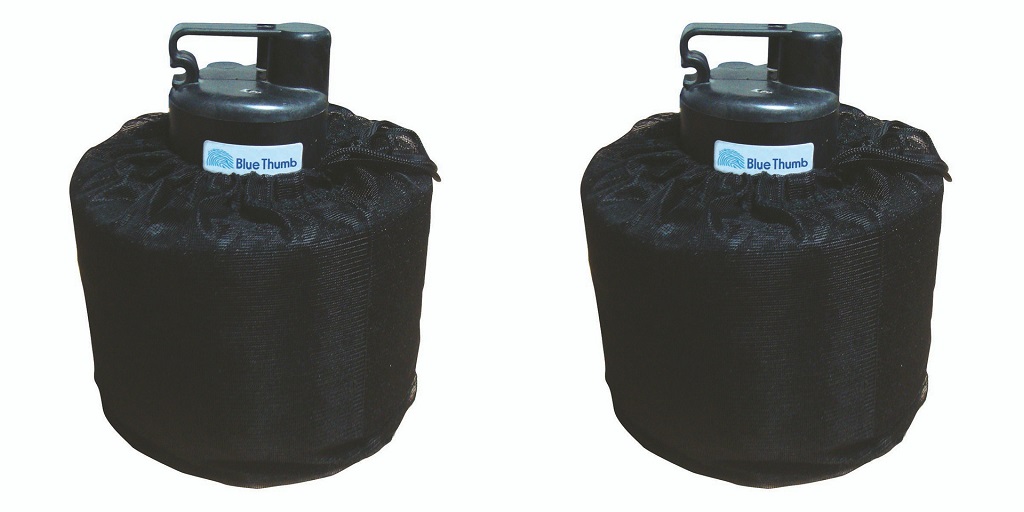
And if someone wants to look through different types of pumps, fountains, and other tools that keep a pond running smoothly, they can always find solid options at Blue Thumb online before settling on the fish pond pump that feels right for their space.