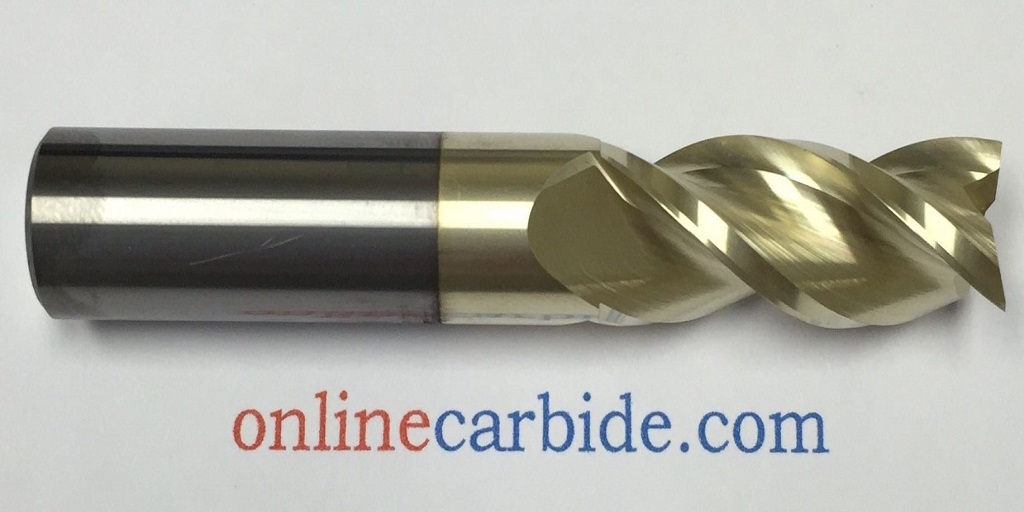
When calculating speeds and feeds for machining operations, many apply the “more flutes, more feed” rule of thumb. While some cases seem to confirm this approach, the catchy phrase should never be taken as a principle or axiom.
Some considerations determine what the right flute count is for the job. In general, you’ll want to use more flutes when machining harder materials and fewer flutes when machining softer materials. You’ll also want to use more flutes when drilling smaller diameters and fewer flutes when milling larger diameters.
But these are just basic principles that do not even start to scratch the surface of tool geometry and its effects on removal rates, chip evacuation, feed rates, and tool strength. Especially when considering advanced machines and toolpaths.
A few years ago, soft materials, such as aluminum, would be usually machined with a 2 or 3 flute end mill, while harder alloys called for 4-flutes or more.
Typically low flute tools have a smaller core which makes them more prone to deflection and decreases overall durability. However, a lower flute count provides larger removal rates given the increased size of flute valleys. This makes them ideal for softer materials such as aluminum.
Harder materials like steel or titanium offer a lot more resistance exerting a lot more tensile forces on your tools. Higher fluted end mills are strengthened with a larger core, and the increased flute count increases removal rates. However, since the flute valleys are a lot shallower and narrower, there is an increased chance of experiencing chip packing.
But material considerations should not be the only factor to determine your flute count. The type and depth of cut should also guide your tool selection. For example, roughing operations generally require a lower flute count so each strike removes bigger chunks and large chips are easily evacuated. Finishing surfaces greatly benefit from a high flute count as you only need to remove small amounts of material.
High-efficiency milling today offers modern toolpaths that allow your machine to achieve higher material removal rates with a higher flute count, which in turn permits you to be more aggressive due to the increased core strength. This results in minimizing the number of passes, which in turn reduces machining time.
In the end, the “more flutes, more feed” axiom is nothing more than a general guideline that should not be taken as gospel. There are many factors to consider when choosing the right flute count for your job and searching for end mills for sale.
All that said, the only reliable way to find the optimal flute count is through experimentation. Try out a few different options and see which provides the best results. With today’s technology, it’s easy to make small changes and quickly see the impact they have on your machining operation.
However, the only constant you need to keep in mind is tool quality. Having high-end carbide tools with the perfect geometry for your worksite is imperative if you want to increase productivity and lower downtime cycles. Online Carbide is a tool manufacturer and provider of carbide end mills for sale for high-performance machining. Call them today and find out more about their products and incredible prices.